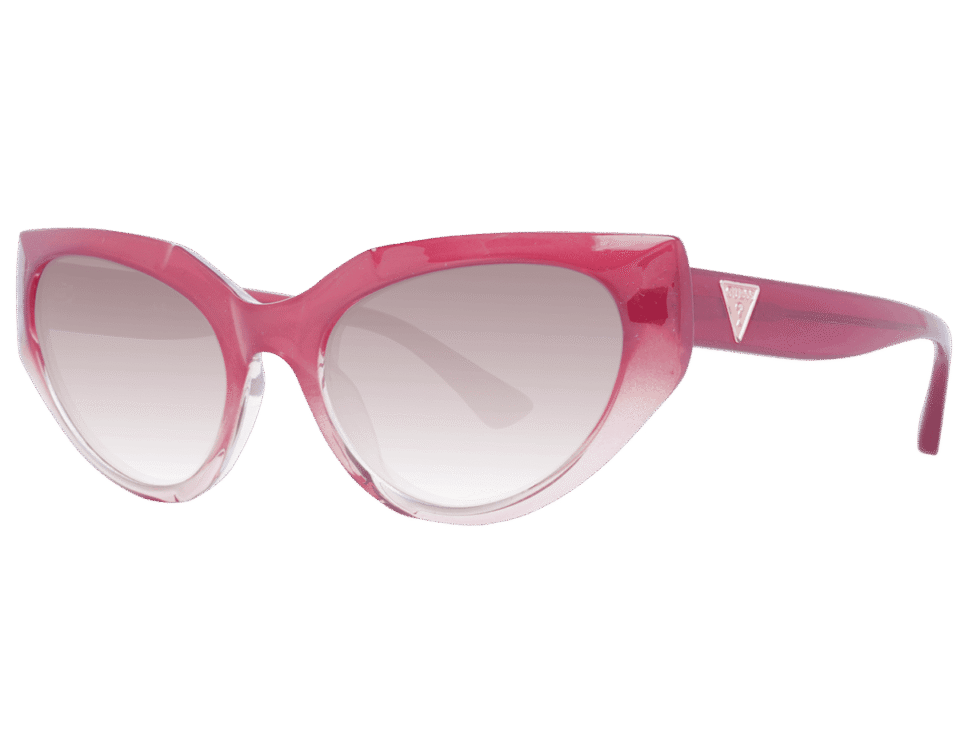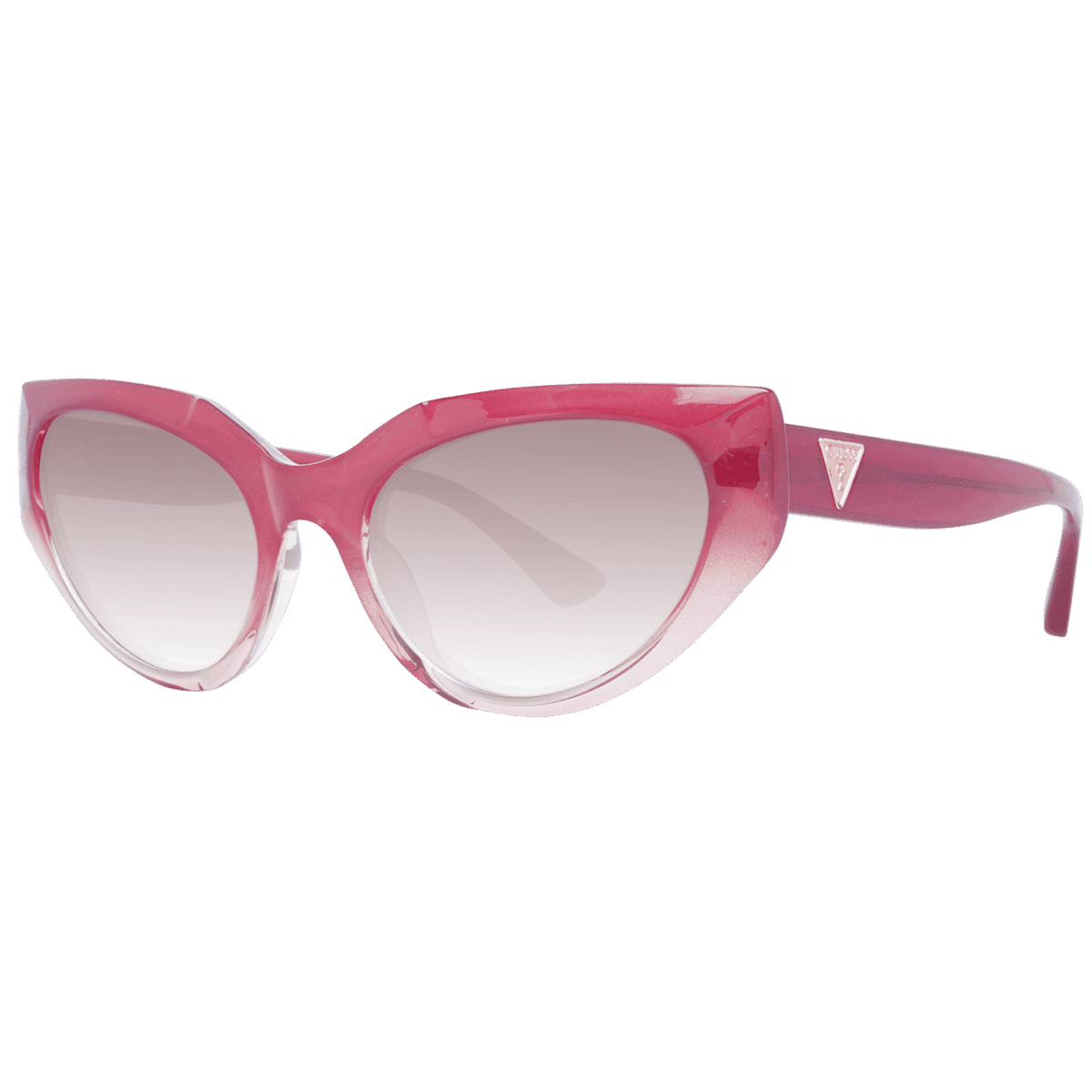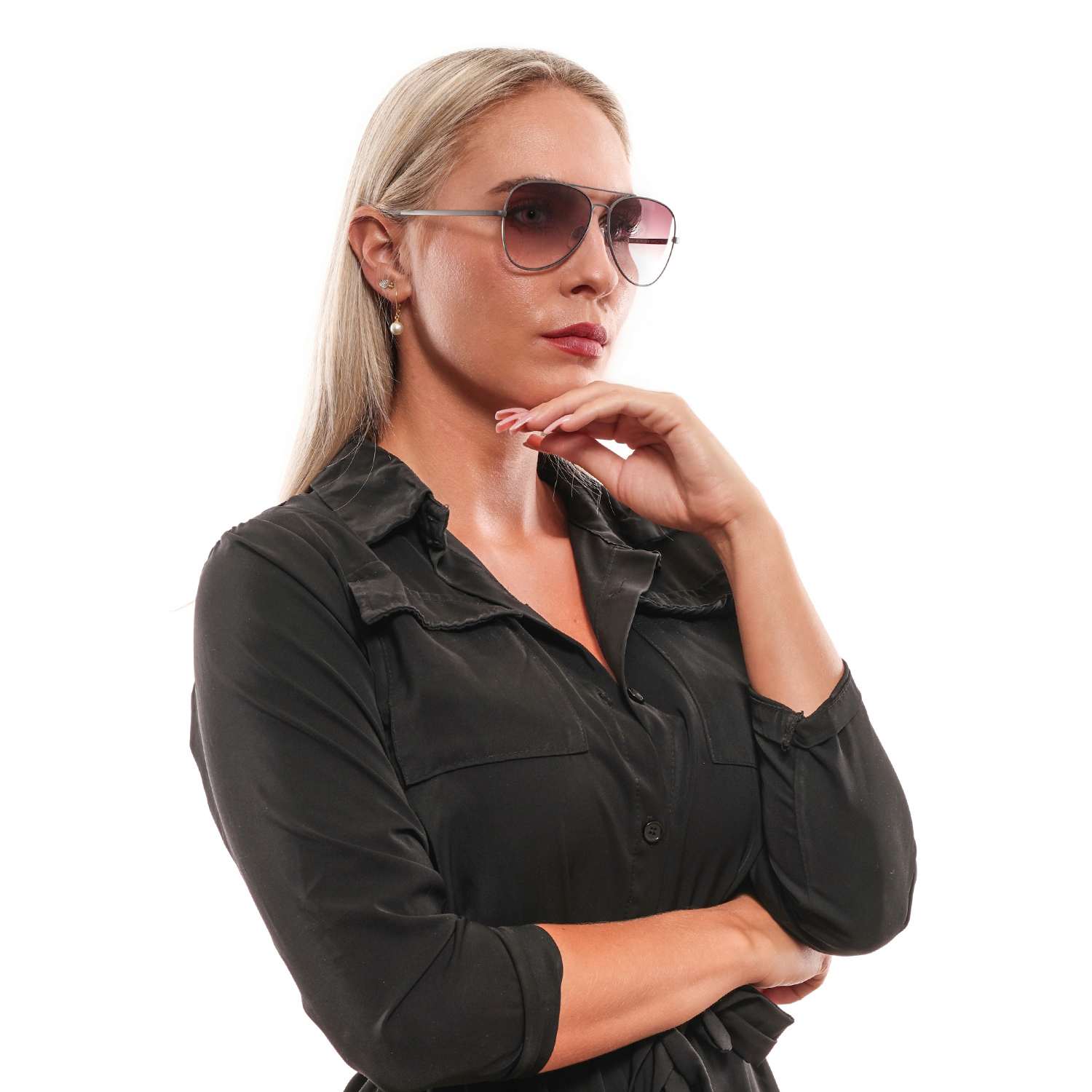





Cat-Eye Glasses: How to Choose Shape, Size and Colour
October 21, 2026

Reading glasses support close vision, most commonly for presbyopia. Ready-made glasses with equal power in both eyes can be practical for some people, but the right strength is individual and should not be chosen from age or an online chart alone.
- Presbyopia usually causes gradually increasing difficulty focusing up close.
- Ready-made readers have equal spherical power and do not address all visual needs.
- Different prescriptions between eyes, astigmatism or persistent discomfort need professional assessment.
- Check frame size, bridge and comfort as well as power.
What are reading glasses?
Presbyopia involves a reduced ability to focus at close distances. Common signs include holding text farther away, blur at a normal reading distance and fatigue during sustained near tasks. An examination is needed to establish the actual cause of difficulty.
Can you choose the strength yourself?
Choosing only from an age chart is not recommended. Required power depends on distance vision, working distance, differences between the eyes, astigmatism and other factors. If you already have a current near prescription, use it when buying.
Where do ready-made readers have limitations?
They usually have the same spherical power in both lenses. They are not an equivalent replacement for individually made glasses when the eyes need different correction, there is astigmatism or other specific needs. The American Optometric Association explains that ready-made readers do not correct a range of conditions or replace an eye examination.
| Situation | Reasonable approach |
|---|---|
| Current advice for equal simple near correction | Ready-made readers may be practical |
| Different corrections between eyes | Individual prescription lenses |
| Astigmatism | Professional measurement and individual lenses |
| New or rapidly changing blur | An examination rather than increasing power yourself |
Compare reading glasses
If you know your suitable correction, browse reading glasses and check the available powers and measurements of each product.
How do you choose a comfortable frame?
Readers are often put on and removed repeatedly. Check bridge, overall width and temple length. Use a comfortable pair as a reference. A size marking such as 52–18–140 refers approximately to lens width, bridge and temple length in millimetres.
At what distance do you read?
A book, phone, desktop monitor and farther-away display are used at different distances. Standard near-only glasses may not be the most comfortable choice for computer work. Discuss correction for your actual task with an eye-care professional.
When should you arrange an examination?
For a first need for near glasses, rapidly changing vision, headaches or persistent discomfort, differences between the eyes, or when ready-made glasses do not give clear comfortable vision.
Ready-made or individually made glasses after 40?
Ready-made readers can suit particular near tasks when they match individual needs. Different eye corrections, astigmatism, special centration requirements or frequent headaches need individual assessment.
| Feature | Ready-made readers | Individually made glasses |
|---|---|---|
| Power for each eye | Usually equal | According to the prescription |
| CYL and AXIS | Usually not corrected | Can be corrected |
| Centration | Standard construction | Individual measurements |
| Monitor distance | Not guaranteed suitable | Chosen for the task |
If you change between reading, screens and distance, discuss progressive or occupational lenses and their limitations. Poor night vision or sudden vision changes call for an examination, rather than an age chart.
Practical checklist
- Use your current measured correction when available.
- Do not choose power solely by age.
- Check whether both eyes need equal correction.
- Match the glasses to your main working distance.
- Compare frame measurements with a comfortable pair.
Frequently asked questions
When do people usually need reading glasses?
Presbyopia often becomes noticeable in the early or mid-40s, but individual variation is substantial.
Should I choose stronger glasses if text is blurred?
Not automatically. Stronger lenses change working distance and may not address the cause.
Are ready-made readers harmful?
They can be practical for suitable simple correction, but do not address astigmatism or unequal eye corrections. They should not replace regular eye examinations.
Are reading glasses suitable for computers?
It depends on working distance and prescription. A monitor is usually farther away than a book or phone and may require different correction.