






Digital Eye Strain: Symptoms and When to Get Checked
October 19, 2026
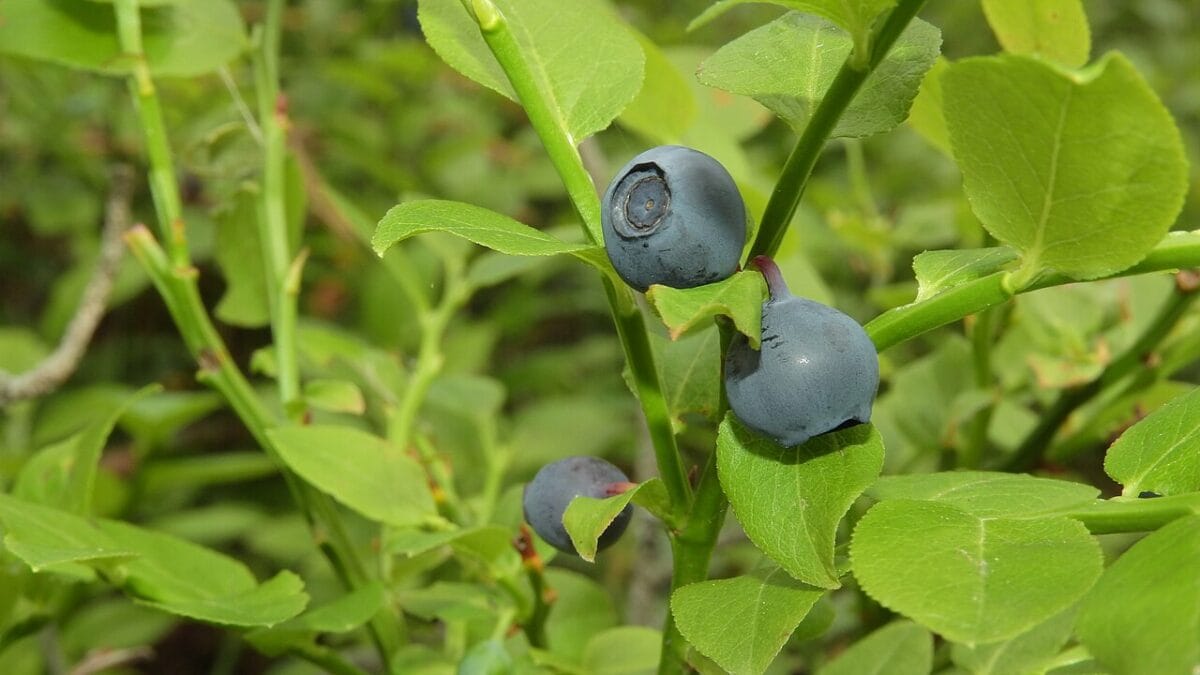
Herbs are not a proven universal way to improve vision. Food, a supplement and a medicine applied to the eye are different things. Antioxidants in a plant do not establish that it treats eye disease or removes the need for vision correction.
This article explains how to assess common promises, without a list of the most healing plants or recipes for homemade drops. It is general health information, rather than a diagnosis or individual treatment.
What does the evidence show about bilberry?
According to NCCIH, there is no clearly established benefit of European bilberry for treating a health condition. Claims about better night vision are insufficient grounds to use it as therapy. Eating the fruit and taking a concentrated extract are not interchangeable.
If your evening vision is deteriorating, do not postpone an examination hoping tea or an extract will solve it. The cause needs establishing.
Ginkgo biloba: natural does not mean risk-free
Herbal supplements can interact with medicines. NCCIH warns that ginkgo may increase bleeding risk with anticoagulants and interact with other medicines. Tell your doctor or pharmacist about every supplement you take, particularly before surgery.
Do not start ginkgo for eye symptoms solely because an advertisement promises better circulation. That promise identifies neither the cause nor the right treatment.
Why should you avoid tea, aloe and homemade mixtures in your eyes?
The FDA explains that ophthalmic medicines must be sterile to limit infection risk. Homemade tea, plant juice and oil mixtures are not manufactured and controlled as sterile eye products. Do not use them as eye drops or rinses.
Natural and soothing are not evidence of safety on the ocular surface. Seek appropriate advice about irritation and use products intended for eye application.
What is established for nutritional supplements?
AREDS2 formulas are a specific exception sometimes misrepresented as evidence for every eye vitamin. The National Eye Institute explains that they may help certain people with intermediate age-related macular degeneration.
They are not universal prevention for healthy eyes and cannot be replaced by herbal tea. An ophthalmologist determines whether the formula is suitable for an individual.
What can you do every day?
- Follow your recommended eye-examination schedule and prescribed treatment.
- Eat a varied diet instead of relying on one superfood.
- Take breaks during sustained screen work.
- Choose sunglasses with clearly stated UVA/UVB protection.
These habits are part of the National Eye Institute’s eye-health guidance. Check protection in sunglass specifications; dark colour alone does not establish UV protection.
When should you not wait?
Sudden vision loss, severe eye pain or sudden changes with new flashes and floaters need urgent medical assessment. These feature in NHS eye-emergency guidance. Do not treat them with home remedies.
Frequently asked questions
What is the best herb for vision?
There is no proven universal choice. Benefits need evidence for a particular condition, product and method of use.
Can tea replace eye drops?
No. Tea is not a sterile product intended for application to the eye.
Can diet replace glasses?
Do not rely on food or supplements instead of prescribed correction. Follow advice from your eye examination.
BetterVision editorial information based on the public medical sources linked above. It is not presented as a personal medical opinion.