



Guess Glasses Model Numbers: Compare the Exact Frame and Size
October 30, 2026
Women’s sunglasses should provide the coverage and lens features you need while sitting comfortably. The most attractive shape is only one part of the decision. A frame that slides, touches your cheeks or leaves you unsure about its lens specification deserves a closer comparison.
Start with where you will wear the glasses: short walks, a daily commute, travel or long periods near reflective surfaces. Then compare fit, stated UV protection and tint. A designer name or a dark lens is not a substitute for those checks.
Fit comes before an oversized look
Large sunglasses can create a bold appearance, but oversized should not mean loose. Check the total front width, bridge and temples against a comfortable pair. The lenses should not rest on your cheeks when you smile, and the frame should stay level during normal movement.
A women’s category includes different widths and depths. Do not assume every model is designed for a small face. Unisex sunglasses can also be useful if the dimensions suit you. Look at the measurements rather than using the category as a sizing system.
Compare coverage from the front and side
A deep lens can cover more of the area around the eyes than a shallow lens, but side gaps depend on the complete shape and fit. Inspect side photographs, temple position and the amount of wrap. Very curved frames can introduce additional questions if you need prescription lenses.
Sunglasses are not eye protection for every activity. If your activity needs impact-rated sports or workplace protection, choose equipment designed and certified for that purpose. Ordinary fashion sunglasses should not be assumed to meet those requirements.
Read UV information separately from tint
Look for an explicit UV-protection statement in the individual product details. Tint darkness describes how much visible light is reduced; it does not by itself establish UV performance. The American Academy of Ophthalmology recommends sunglasses offering 100% UV or UV400 protection.
If the listing does not give the information you need, ask for it. Do not try to judge UV protection by looking through the lenses, photographing them or comparing their price. Those methods cannot replace the stated product specification.
Gradient, mirrored and polarised are different features
Gradient describes a tint that changes across the lens. Mirrored describes a reflective finish. Polarised describes filtering intended to reduce certain reflected glare. These features can be combined, so read the exact wording instead of treating them as competing categories.
Consider what you need to see. Some displays appear different through polarised lenses, especially when the viewing angle changes. Check important screens in the environment where you will use the glasses. Do not assume a feature is present simply because the lenses look dark.
| Feature | Useful comparison |
|---|---|
| Frame width | Stability and temple position |
| Lens depth | Coverage and cheek clearance |
| Gradient tint | Variation in visible-light tint |
| Polarisation | Reflected-glare filtering and display compatibility |
| UV statement | Documented UV protection |
Compare real examples carefully
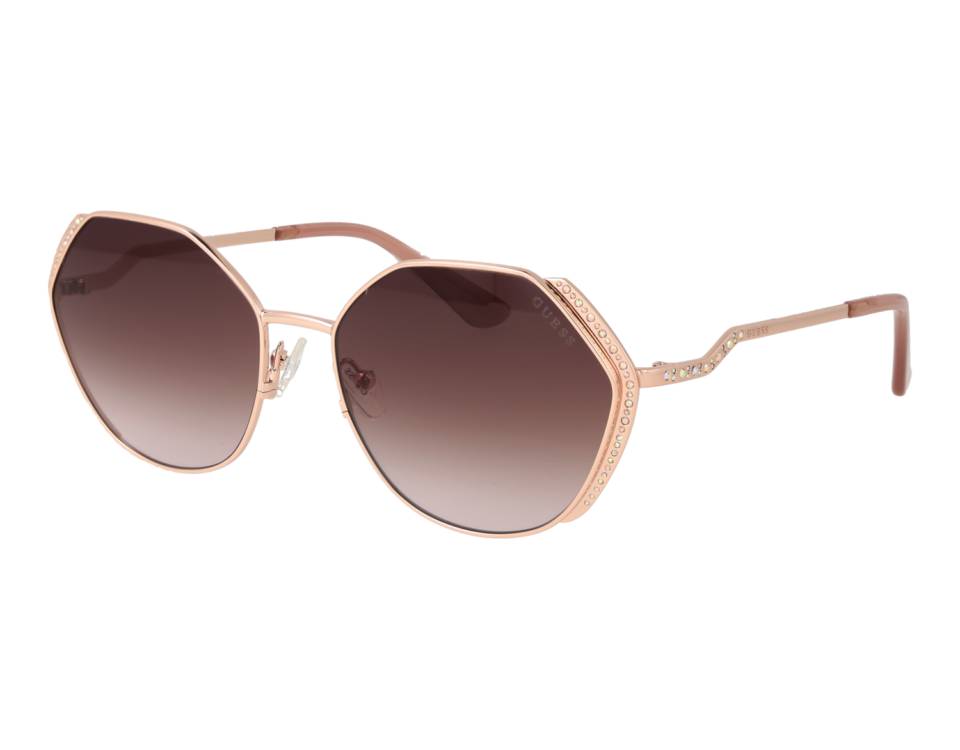
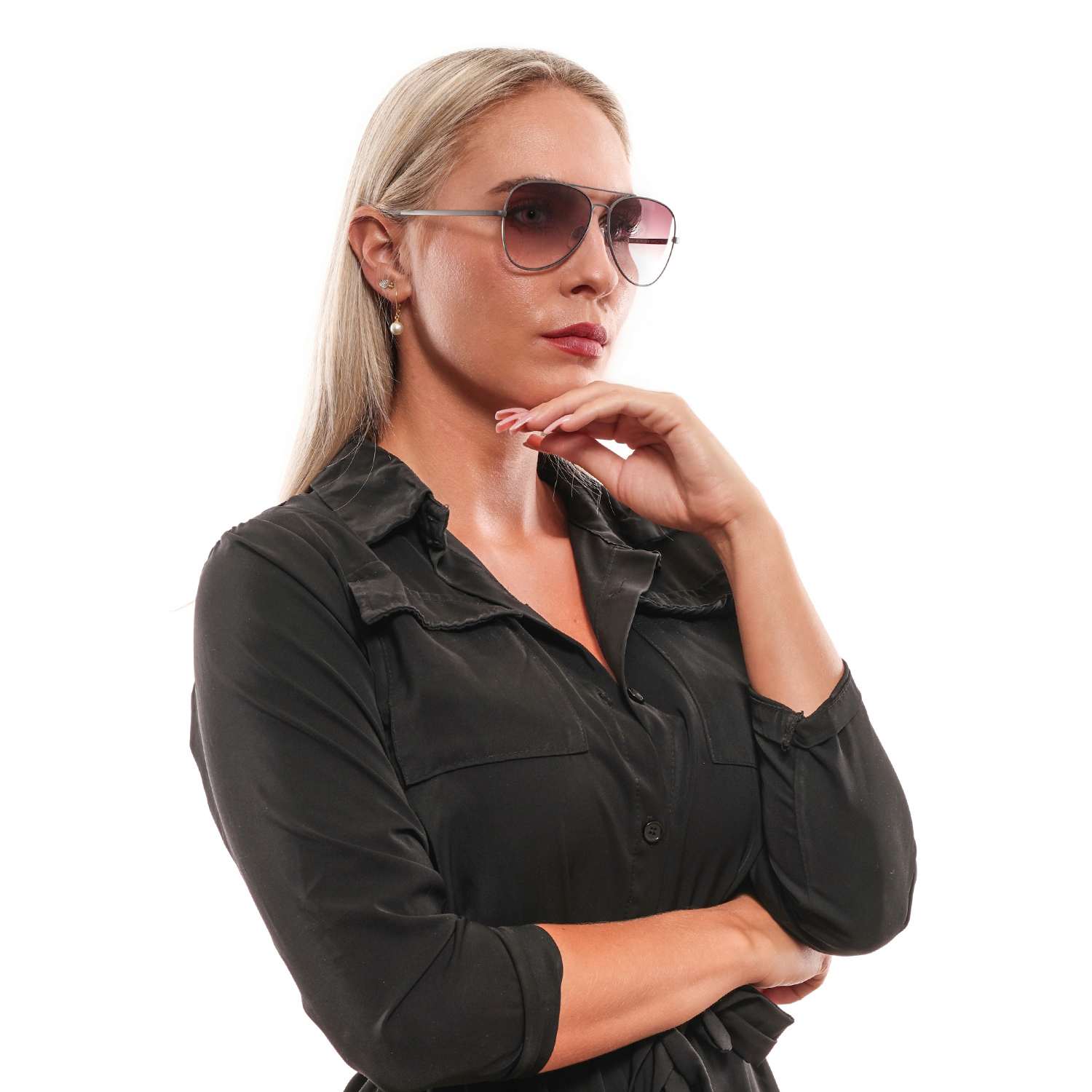
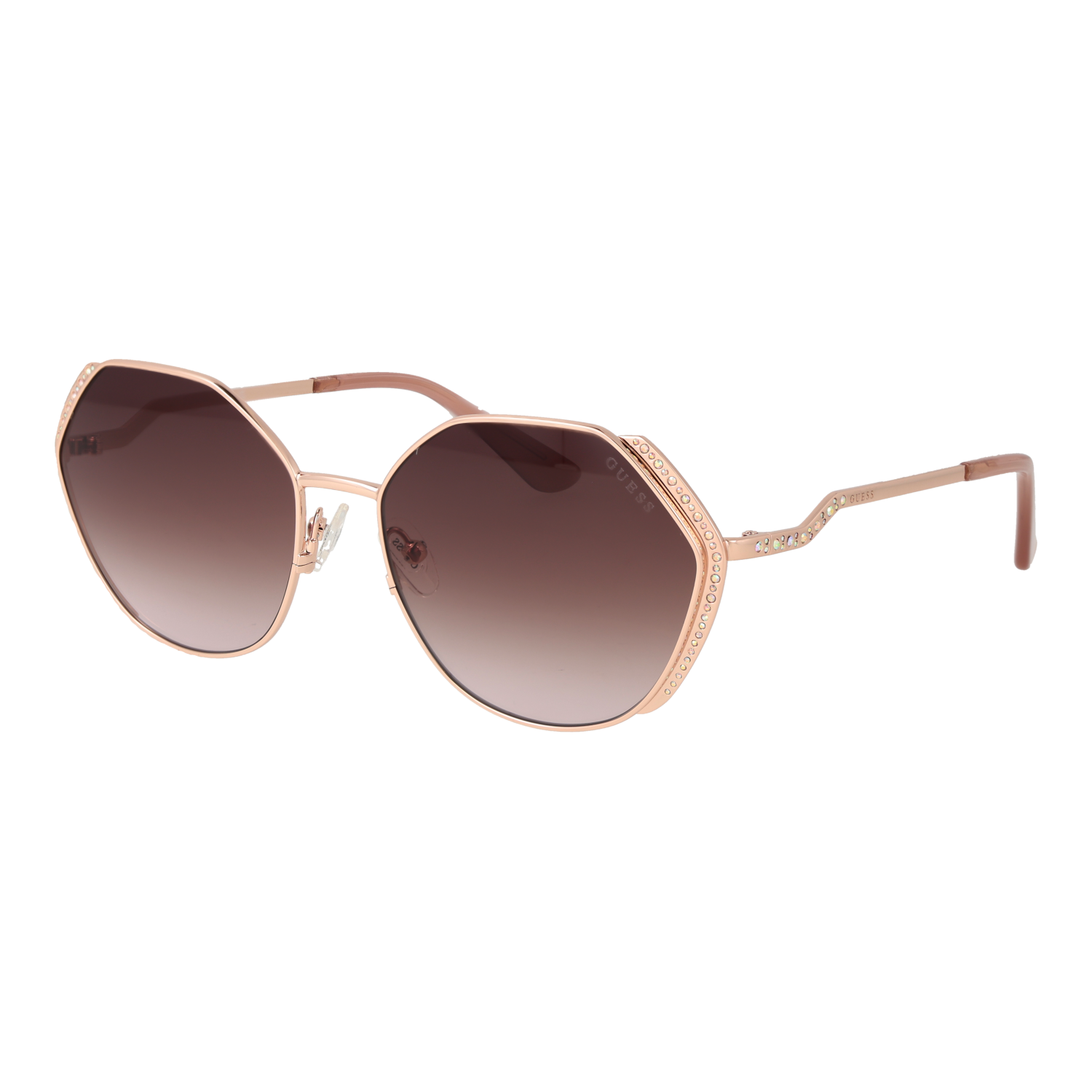
Guess GU7842-S 5828Z has a stated total width of 145 mm and 51 mm lens height. Polaroid PLD 4154/S/X 55807M9 lists a 140 mm width and 46 mm lens height. Their outlines and lens effects differ, so neither is simply a smaller version of the other.
Use those differences to decide what to try, not to predict a guaranteed fit. A smaller numerical width can still feel different because of the bridge and temple construction. Read each listing in full before adding it to your shortlist.
Style choices that remain useful beyond a season
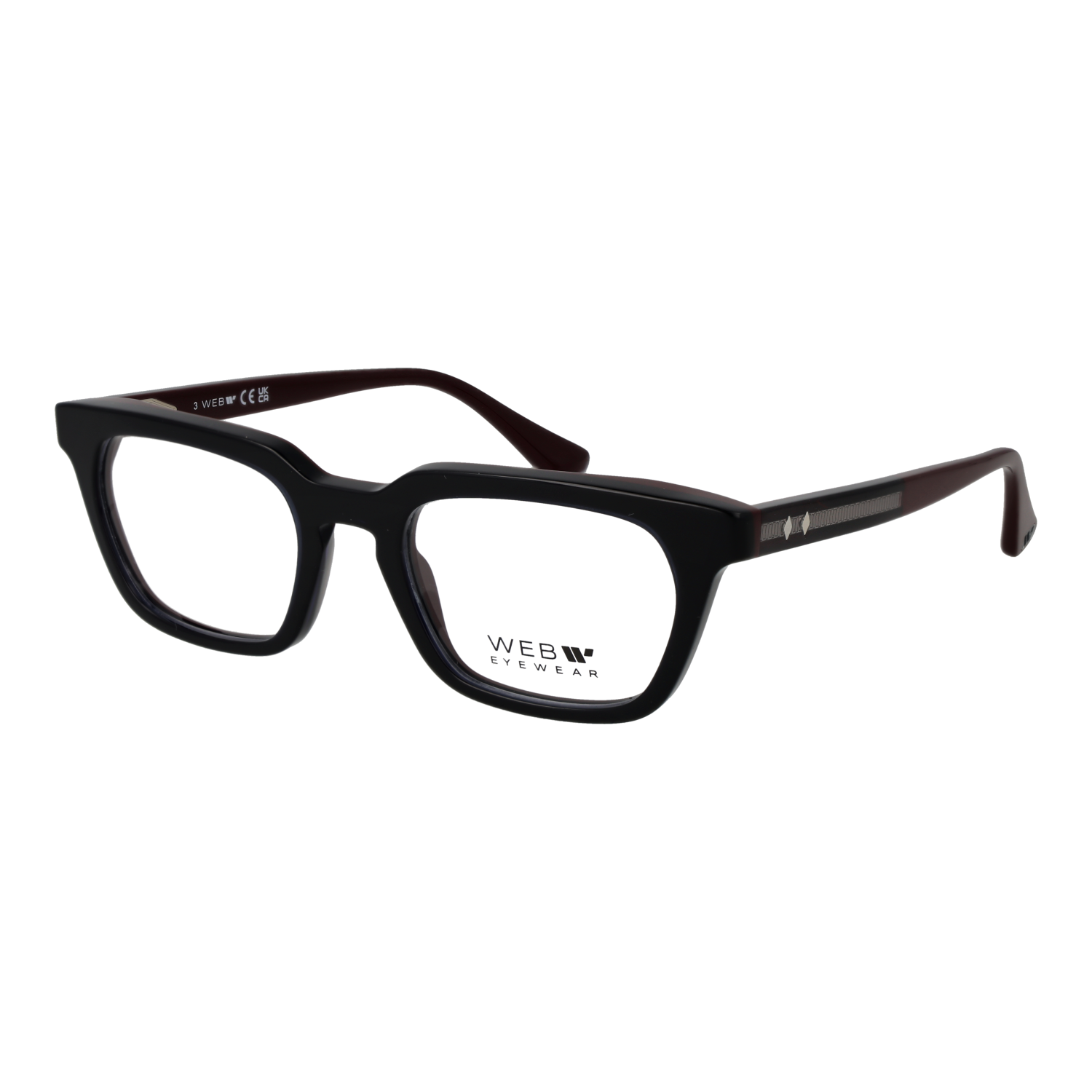
Compare a familiar shape with one alternative: panto against butterfly, or a thin metal outline against a more substantial dark rim. This helps you identify which part of the look you prefer. Keep the size similar where possible so the comparison does not change everything at once.
Choose a colour you want to wear regularly. Screens can make rose gold, brown and grey tones look different, so use the written colour and exact version code alongside photographs. Store the reference when discussing the product with the shop.
Before ordering
Check the model, dimensions, lens specification and included accessories. Read the current delivery and return terms, particularly if you are ordering to try a new shape. If prescription glazing is required, confirm compatibility before buying the frame.
Explore women’s sunglasses and unisex sunglasses. The examples below display current catalogue prices and link to the full product information, so you can continue the comparison with the exact model.
Models to compare
The following products are examples from the current catalogue. Check the full specifications, dimensions and included items on each product page. Prices and availability are displayed from the shop.
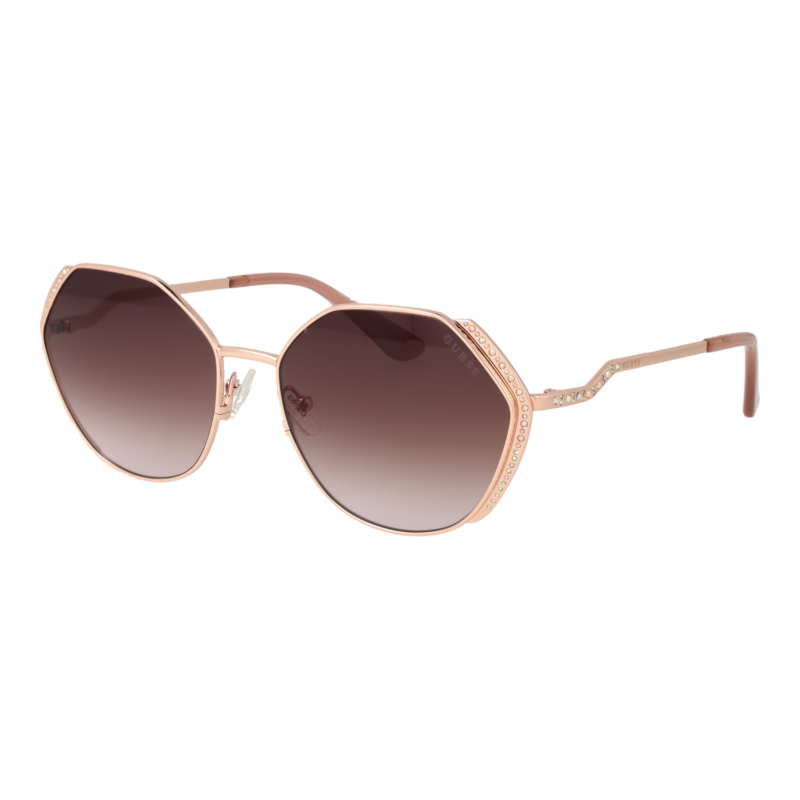
Guess Panto Women Sunglasses – Model GU7842-S 5828Z
Original price was: €170.00.€136.00Current price is: €136.00.
View model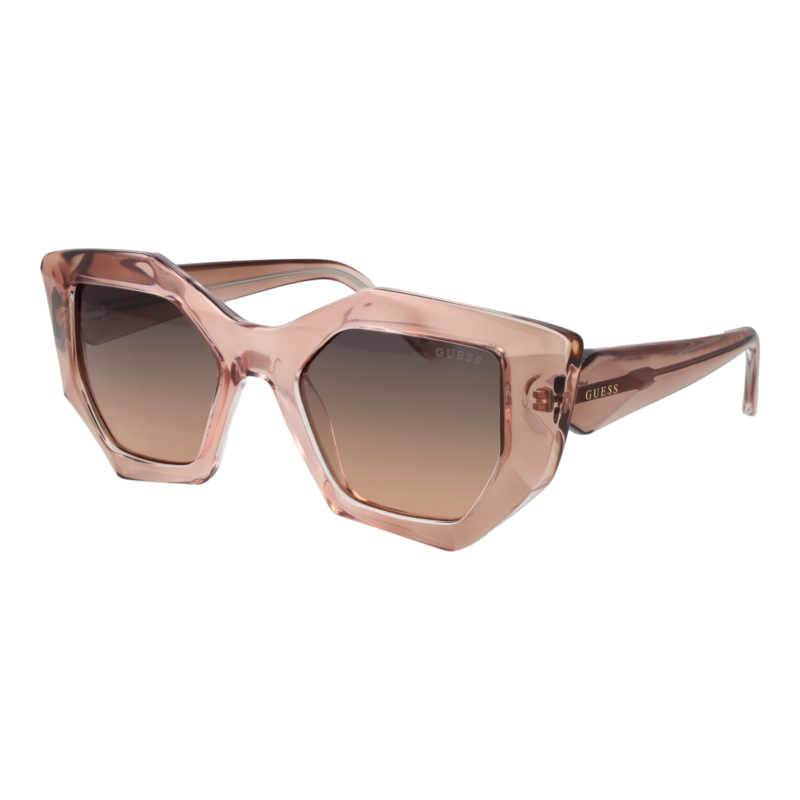
Guess Women Sunglasses – Model GU7897 5047F
Original price was: €110.00.€88.00Current price is: €88.00.
View model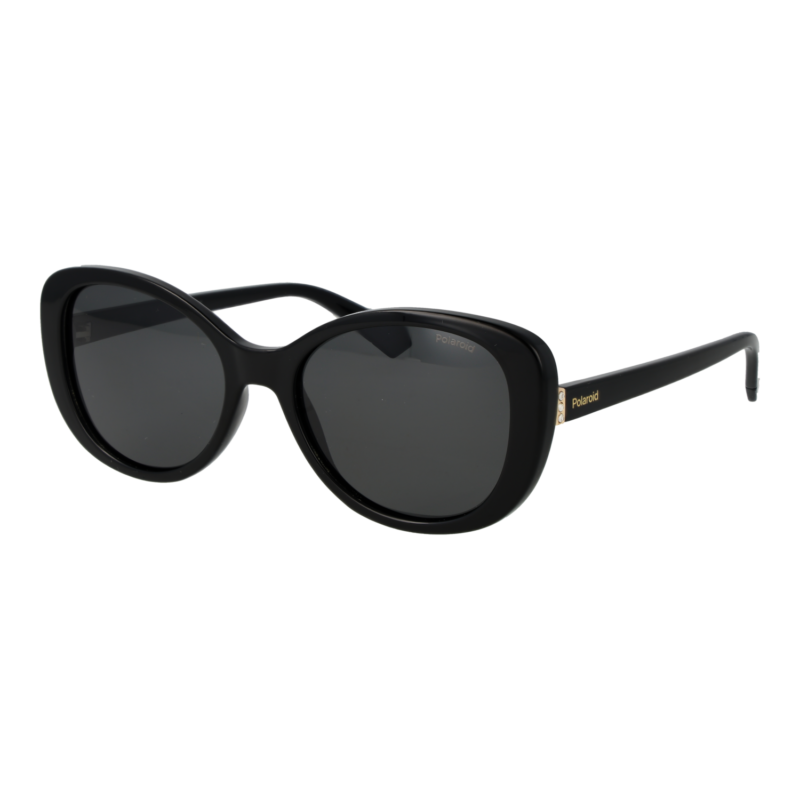
Polaroid Butterfly Women Sunglasses – Model PLD 4154/S/X 55807M9
Original price was: €73.00.€58.40Current price is: €58.40.
View modelFrequently asked questions
Are oversized sunglasses better for everyone?
No. Coverage can be useful, but the frame must fit securely and clear your cheeks. A very wide frame that slides is not a good choice simply because the lenses are large.
Do dark lenses always provide UV protection?
Darkness alone does not establish UV protection. Check the explicit UV statement for the exact product. Lens tint and UV performance should be considered separately.
Are gradient lenses automatically polarised?
No. Gradient describes changing tint, while polarisation is a separate function. Check whether the individual listing specifies one feature or both.
Can women wear unisex sunglasses?
Yes. Compare dimensions, bridge construction, lens features and your preferred style. Gender labels organise the catalogue but do not determine whether a frame fits your face.