



Men’s Glasses Frames: Choosing a Pair for Work and Everyday Life
October 28, 2026
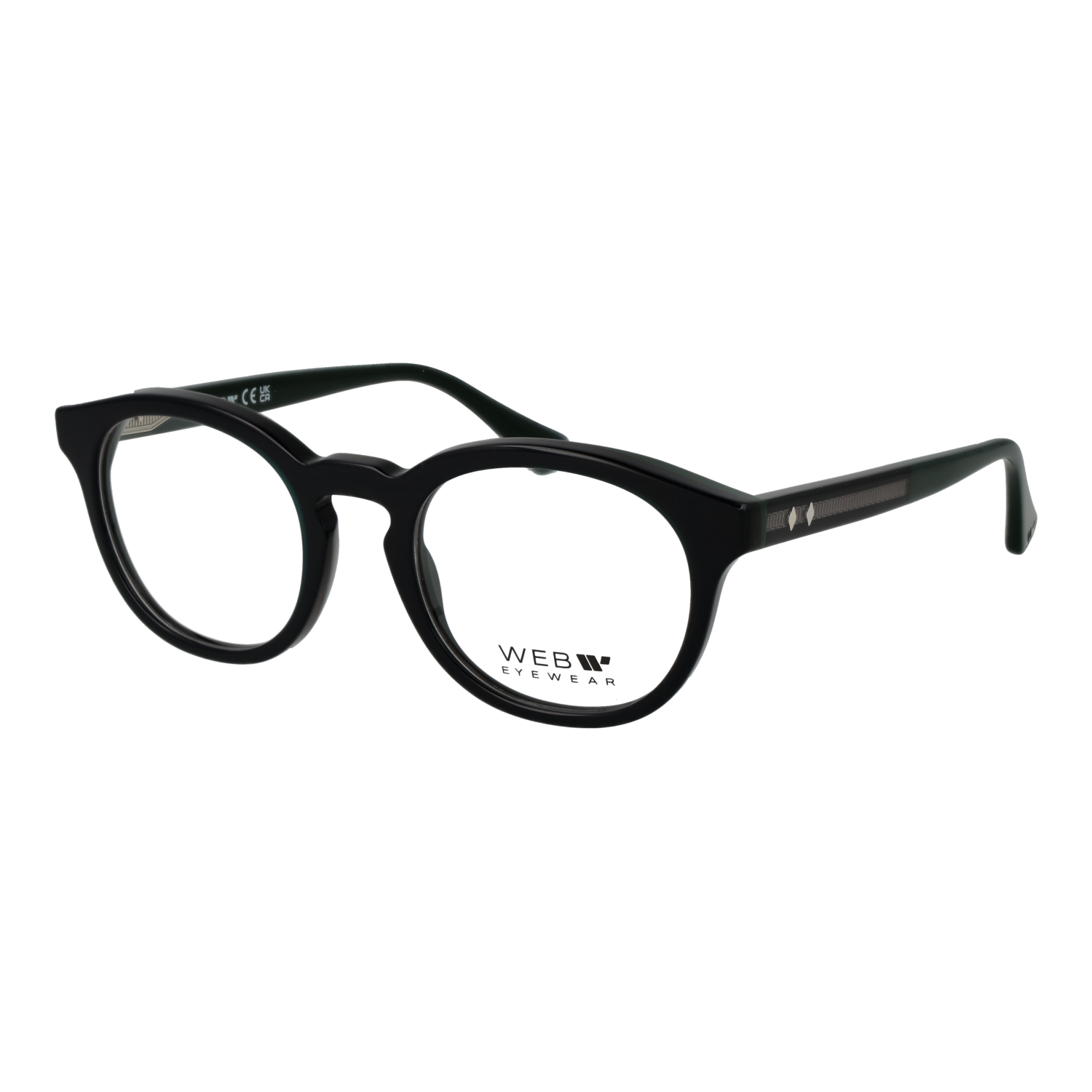
Frames for progressive lenses need more than enough room on a product photograph. The finished lenses must be positioned for your eyes while the frame sits naturally on your face. A deep frame may offer useful space, but depth alone cannot confirm that a particular lens design will work.
Before buying, discuss your shortlist with the professional who will supply the lenses. This guide explains what to compare in an online listing and which decisions require individual fitting. The examples are ordinary optical frames, not models certified here for your prescription.
What makes progressive lenses different?
A progressive lens changes optical power across its surface to support different viewing distances. The placement of those areas must correspond with the way you look through the frame. That is why simply copying the size of somebody else’s glasses is not a reliable method.
The frame should be chosen together with the lens design and your needs. Reading, computer work and looking into the distance place different demands on the finished glasses. Explain your usual activities rather than asking only whether a frame is labelled suitable for progressives.
Lens height and fitting height are different
Lens height in a catalogue describes the vertical size of the lens opening. Fitting height is measured in relation to your pupil with the selected frame correctly positioned. These figures are related, but they are not interchangeable.
There is no single minimum catalogue height that guarantees suitability for every progressive design. Manufacturers specify requirements for their particular lenses. Some designs accommodate shallower frames, while others need more room. Ask the dispenser to check the actual combination.
Stable fit comes before measurement
If a frame slips after it is fitted, the lenses move relative to your eyes. If it is tilted or sits unevenly, the intended viewing position can change. Select a bridge that rests securely and temples that support the frame without excessive pressure.
Any necessary adjustment should happen before the final fitting measurements are taken. Buying a frame that needs major alterations later makes the process less predictable. Avoid choosing an oversized pair solely to obtain more lens height.
Compare full-rim, semi-rimless and rimless designs
Different constructions can be used with prescription lenses, but the lens material and glazing method must suit the frame. A full rim supports the lens around its edge. Semi-rimless and rimless designs introduce different manufacturing and mounting requirements.
The visual lightness of a rimless frame does not establish its suitability for a particular prescription. Ask whether the intended lens material, thickness and mounting are appropriate. The person making the lenses can assess these details more reliably than a general style guide.
| Listing detail | What it tells you | What still needs checking |
|---|---|---|
| Lens height | Vertical opening | Individual fitting height |
| Bridge type | How the frame contacts the nose | Stability on your face |
| Total width | Overall front size | Temple position and comfort |
| Rim construction | How lenses are held | Glazing compatibility |
Use product examples to ask better questions
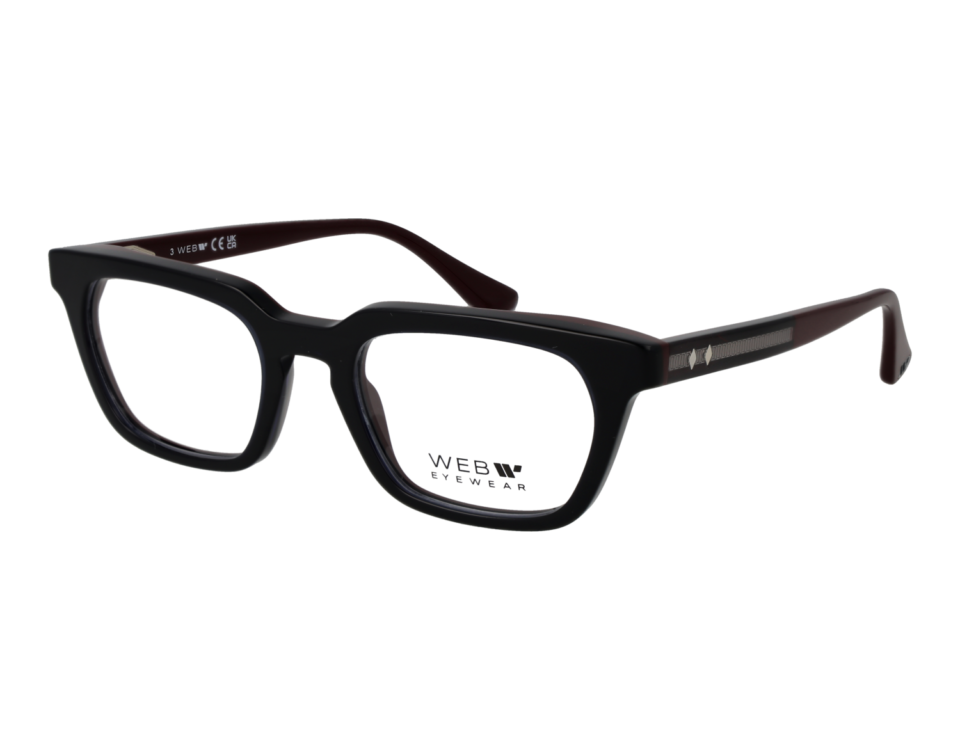
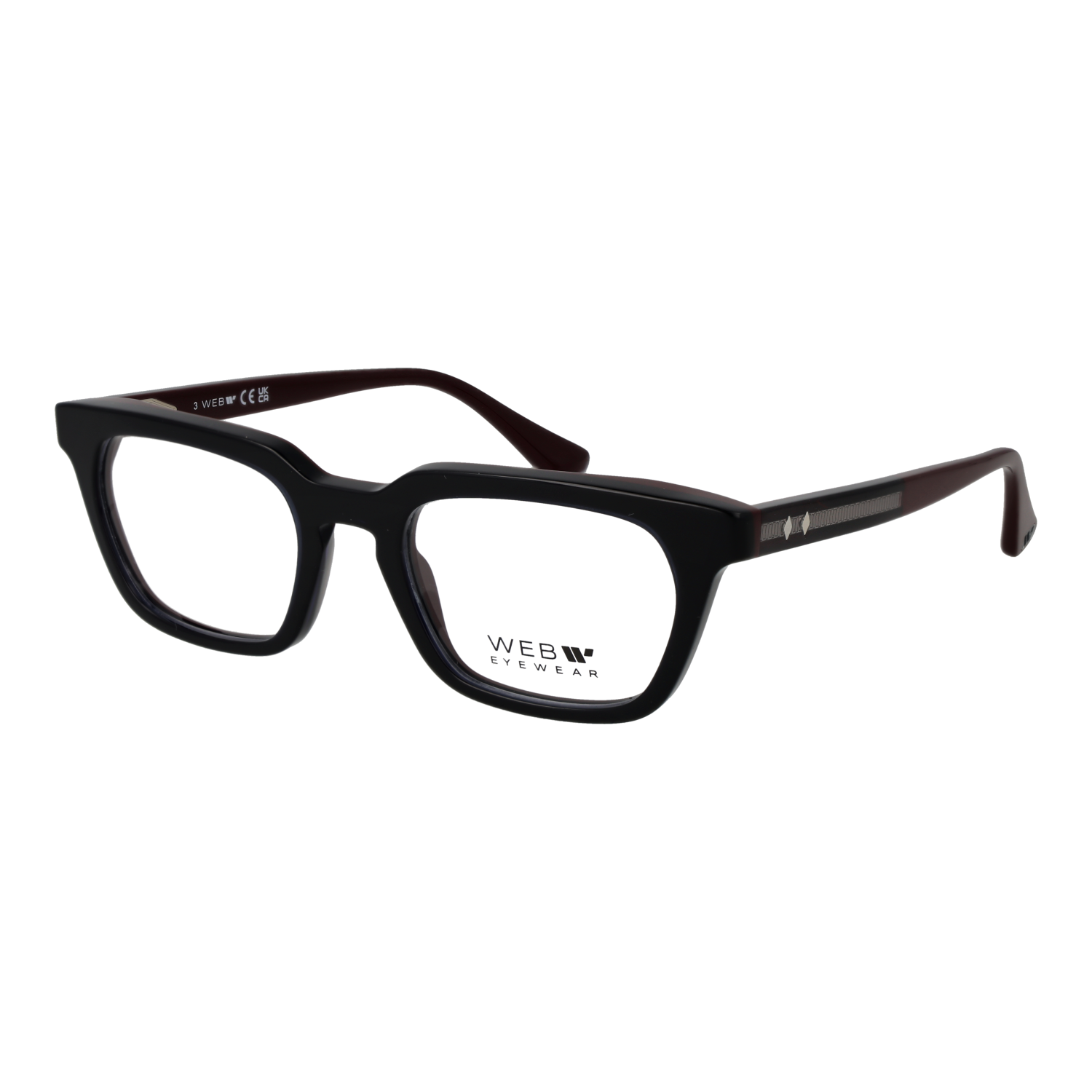
The Skechers SE50080-D 53020 lists a 44 mm lens height, while Web WE5444 52092 lists 37 mm. That difference is useful when discussing a shortlist, but it is not a pass-or-fail test. Neither listed height replaces a measurement with the frame on your face.
Bring the exact model and size to your dispenser. Ask which lens design is proposed, what measurements are required, and whether the frame needs adjustment before glazing. If the seller provides only the frame, clarify who is responsible for the complete prescription service.
Think about your working distances
General-purpose progressive lenses and occupational lenses do not necessarily serve identical tasks. If you spend long periods at one or two monitors, describe the distances and screen positions. A separate work pair may be discussed where appropriate; the choice should follow your needs rather than the appearance of the frame.
Do not use reading-glasses strength, an old prescription or a self-measured pupil distance as a substitute for the full fitting process. If your vision changes unexpectedly or glasses remain uncomfortable, arrange a professional review.
Your pre-order checklist
- Confirm the prescription and intended lens design.
- Choose a frame that sits securely before glazing.
- Check lens height, overall width and bridge construction.
- Confirm lens-material and mounting compatibility.
- Arrange the required individual fitting measurements.
- Establish what the frame-only price includes.
Explore our optical frames to prepare a shortlist, then have the proposed frame-and-lens combination checked. The catalogue helps you compare options; professional fitting determines whether the finished glasses are appropriate.
Models to compare
The following products are examples from the current catalogue. Check the full specifications, dimensions and included items on each product page. Prices and availability are displayed from the shop.
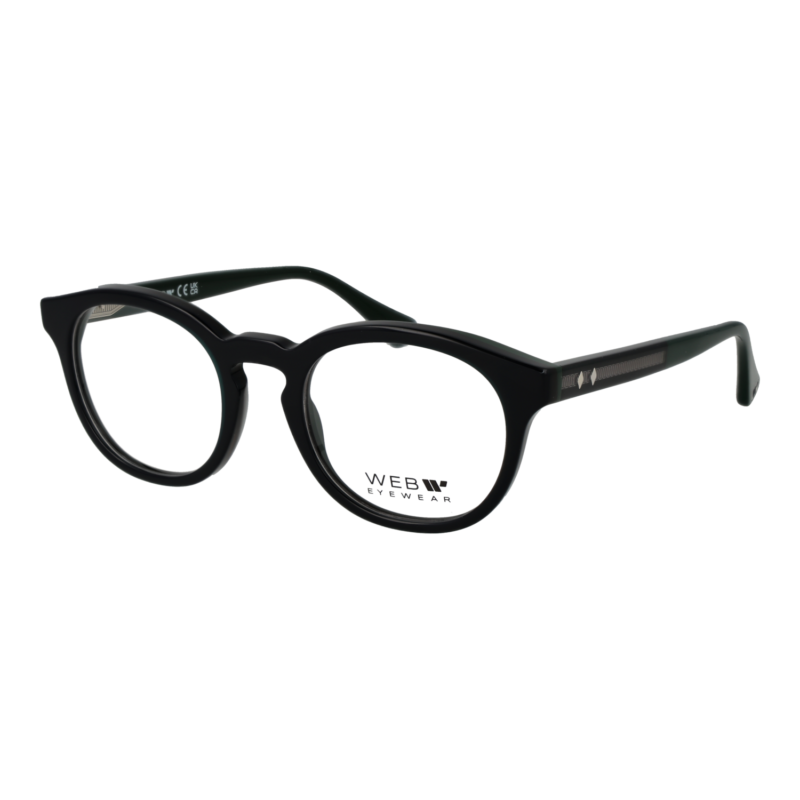
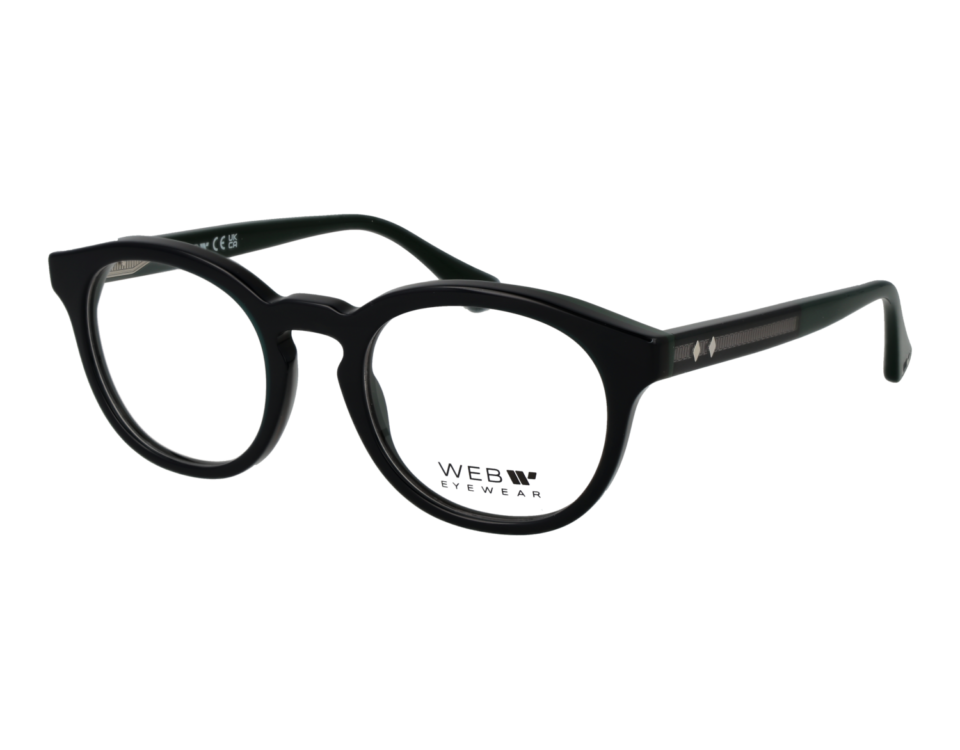
Web Round Unisex Optical Frames – Model WE5443 50098
Original price was: €200.00.€150.00Current price is: €150.00.
View model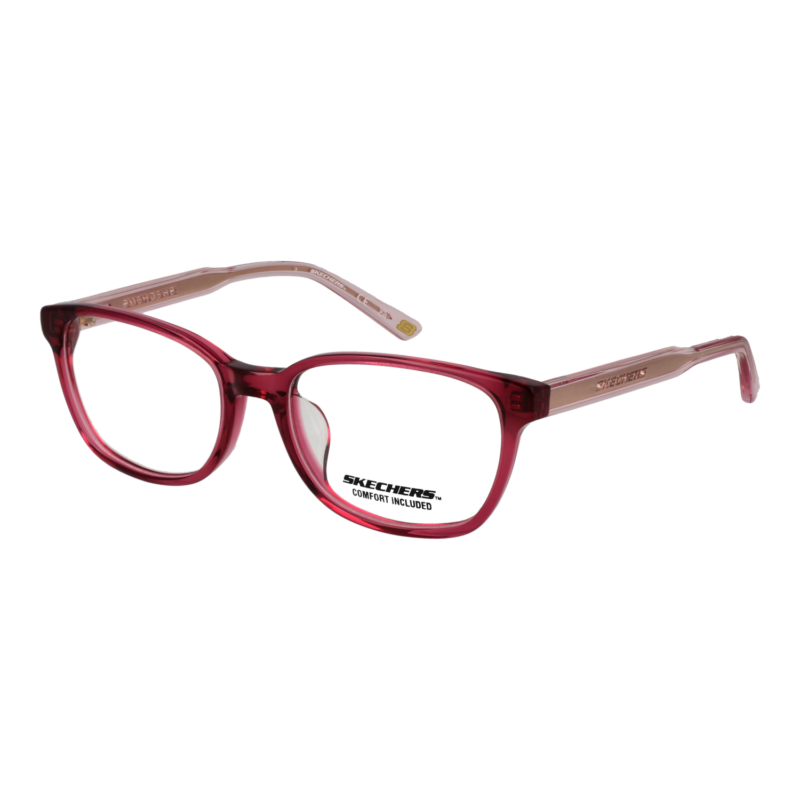
Skechers Rectangle Women Optical Frames – Model SE50079-D 53066
Original price was: €97.00.€72.75Current price is: €72.75.
View model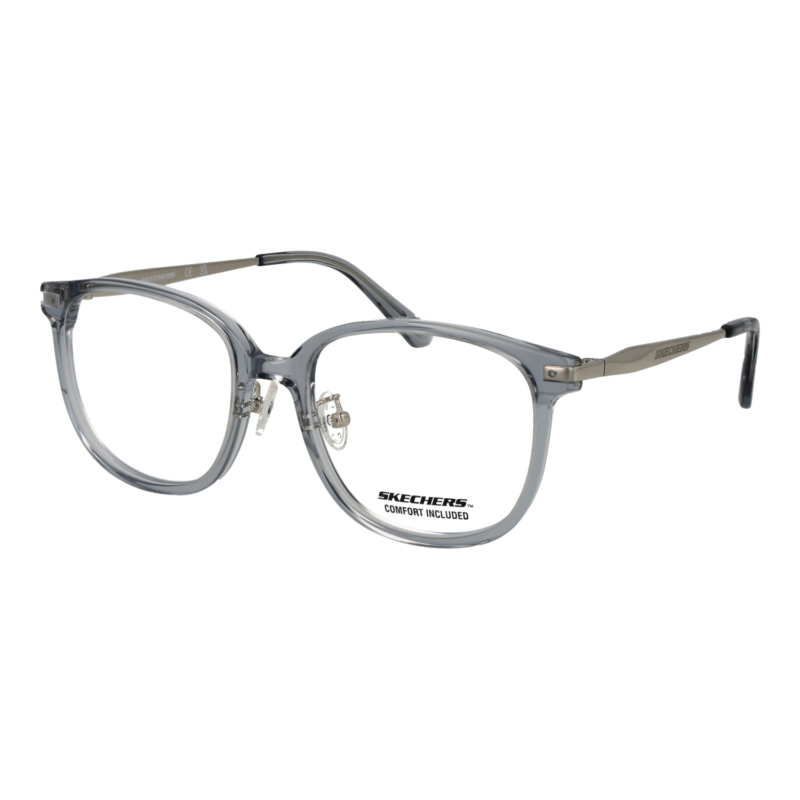
Skechers Square Women Optical Frames – Model SE50080-D 53020
Original price was: €97.00.€72.75Current price is: €72.75.
View modelFrequently asked questions
Is a taller frame always better for progressive lenses?
No. Extra depth is not a substitute for correct fit. The required space depends on the lens design and pupil position, and a frame that slips may be unsuitable despite a large opening.
Can I use the listed lens height as my fitting height?
No. Catalogue lens height describes the opening. Fitting height is measured individually while you wear the adjusted frame. Using one in place of the other can lead to incorrect positioning.
Are the frames shown guaranteed to work with my progressives?
No. They illustrate dimensions and constructions. Your dispenser must assess the specific prescription, lens design, frame and fitting measurements before confirming suitability.
Should I order the frame before discussing lenses?
Discuss the shortlist first whenever possible. This avoids choosing a design that is difficult to glaze for your requirements and clarifies the complete cost before you order.