


Men’s Sunglasses for Driving and Everyday Use: A Buying Checklist
November 1, 2026
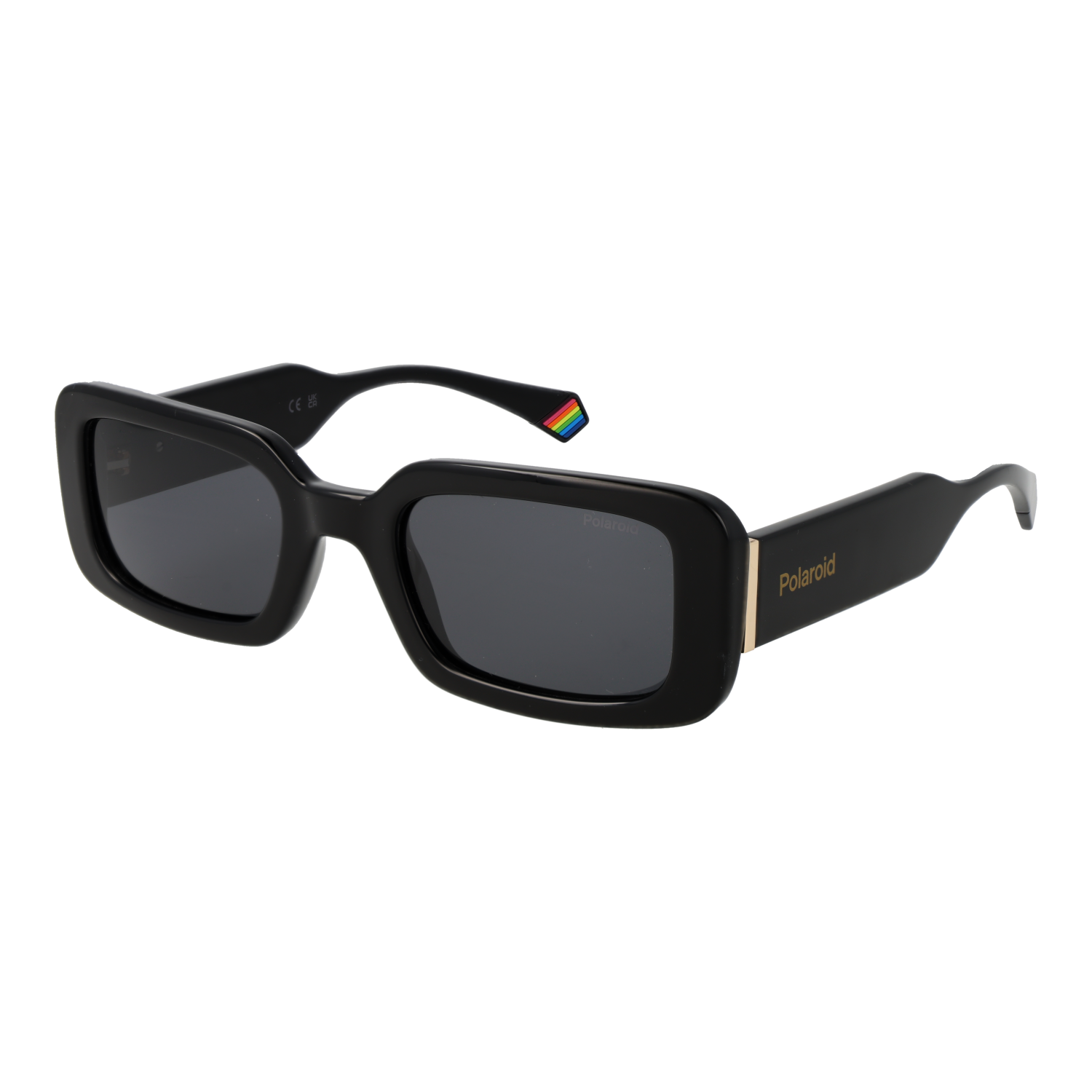
Polarised sunglasses and UV400 sunglasses are not two mutually exclusive types. The words describe different properties. Polarisation concerns the filtering of certain reflected light, while UV400 describes a claim about ultraviolet protection. A pair may offer both, but one term does not prove the other.
This distinction matters when you compare products online. If you choose only by dark lenses, a mirror finish or a brand known for polarised models, you may overlook the specification of the exact version you are buying.
What polarised lenses do
Light reflected from some surfaces can produce strong glare. A polarising filter is designed to reduce particular reflected light depending on its orientation. This is why polarisation is often discussed around water, wet roads and other reflective environments.
It does not remove every reflection or make visibility perfect. The effect depends on the source, surface and viewing angle. Use polarisation as one feature to assess, alongside fit, tint and the conditions in which you will wear the sunglasses.
What UV400 tells you
UV400 is a product claim about blocking ultraviolet wavelengths up to 400 nanometres. Look for a clear statement on the specific product and its supplied information. The appearance of the lens cannot confirm that statement.
Darkness, price and a polarising effect should not be used as substitutes for documented UV information. If the listing is incomplete, ask the seller for clarification before choosing a pair for outdoor protection.
Tint and filter category answer another question
Tint determines how much visible light reaches your eyes and affects how bright the view appears. The filter category is therefore a different consideration from UV protection and polarisation. A darker category is not simply a higher overall quality grade.
Choose for the intended conditions. Do not assume the darkest sunglasses are appropriate for ordinary use or driving. Category 4 is not suitable for driving. Follow the product’s warnings and assess whether the tint still allows you to see clearly when conditions change.
| Term | Main question it answers | What it does not establish alone |
|---|---|---|
| Polarised | Does the lens filter certain reflected glare? | The exact UV protection or tint category |
| UV400 | What UV protection is claimed? | Whether the lens is polarised |
| Gradient | Does tint vary across the lens? | UV protection or polarisation |
| Mirrored | Is there a reflective finish? | The complete optical specification |
Why a screen test is limited
Rotating a lens in front of some displays may produce a change in brightness. That can demonstrate an interaction with polarised light, but it is not a complete product test. The screen’s construction and orientation influence the result.
It cannot measure UV protection. Do not treat a mobile-phone experiment as proof that a pair meets a protection claim, is genuine or is suitable for a particular activity. Rely on the model information and, where needed, appropriate professional testing.
Read actual model specifications
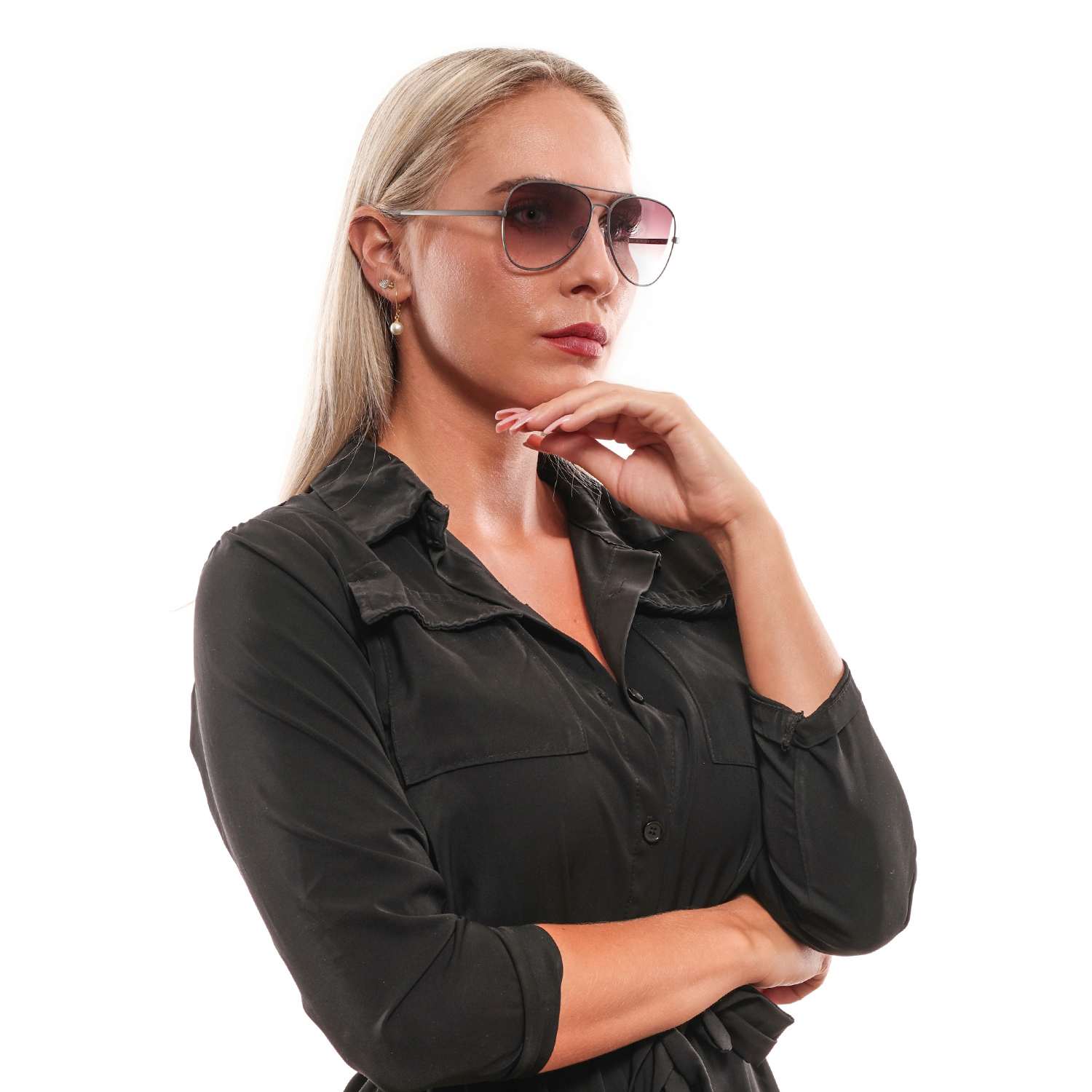
In the current catalogue, Polaroid PLD 6232/S 552M4Z7 is described with a polarised gradient effect and category 2 tint. PLD 4154/S/X 55807M9 is described as polarised with category 3 tint. They show that polarisation can be paired with different visible-light categories.
These are examples of how to compare fields, not a rule for the entire Polaroid collection. Recheck the listing and supplied documentation for the exact version. Where a UV field is not shown clearly, ask rather than extending a statement from another product.
Consider displays and specialist activities
Some screens become harder to read through polarised lenses at certain angles. Before using them for an activity involving important displays, test visibility safely in the relevant environment. Do not assume an outdoor glare benefit outweighs an unreadable instrument.
Ordinary sunglasses are not automatically impact protection, specialist aviation equipment or glasses for looking directly at the sun. Such uses need equipment intended for the task. A polarised label does not establish those capabilities.
A four-part buying check
- Confirm the documented UV protection of the exact model.
- Choose an appropriate tint and read the filter-category warning.
- Decide whether polarisation suits your environment and displays.
- Check frame dimensions, coverage and stable fit.
Browse our sunglasses catalogue and compare the individual product details. The examples below display current prices and availability. Keep the complete reference when asking about a lens feature, so the answer relates to the version you intend to order.
Models to compare
The following products are examples from the current catalogue. Check the full specifications, dimensions and included items on each product page. Prices and availability are displayed from the shop.
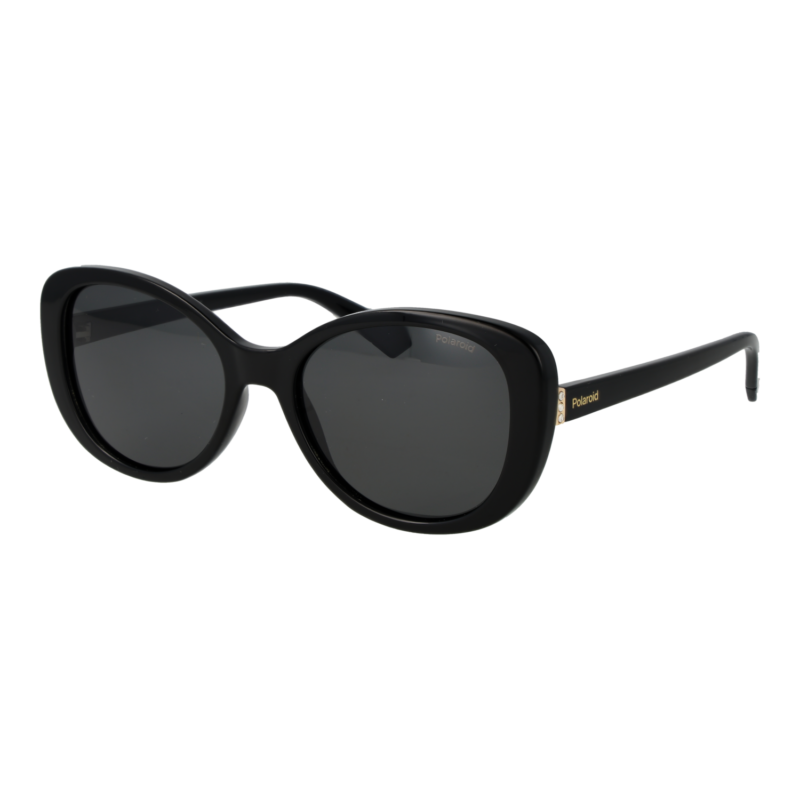
Polaroid Butterfly Women Sunglasses – Model PLD 4154/S/X 55807M9
Original price was: €73.00.€58.40Current price is: €58.40.
View modelFrequently asked questions
Does polarised mean UV400?
No. The terms describe different properties. Check the UV statement separately from the polarising feature for the exact sunglasses model.
Can sunglasses be both polarised and gradient?
Yes. Gradient describes variation in tint, while polarisation describes a filtering function. The product specification should explicitly identify both where they are present.
Can my phone test UV protection?
No. A change in screen brightness through a rotated lens does not measure UV protection. It is not a substitute for product documentation or appropriate testing.
Should everyone choose polarised lenses?
Not necessarily. Consider reflected glare, display visibility and intended use. Fit, tint and documented protection remain important whether or not the lenses are polarised.