




How to Clean Glasses Without Scratching the Lenses
November 3, 2026
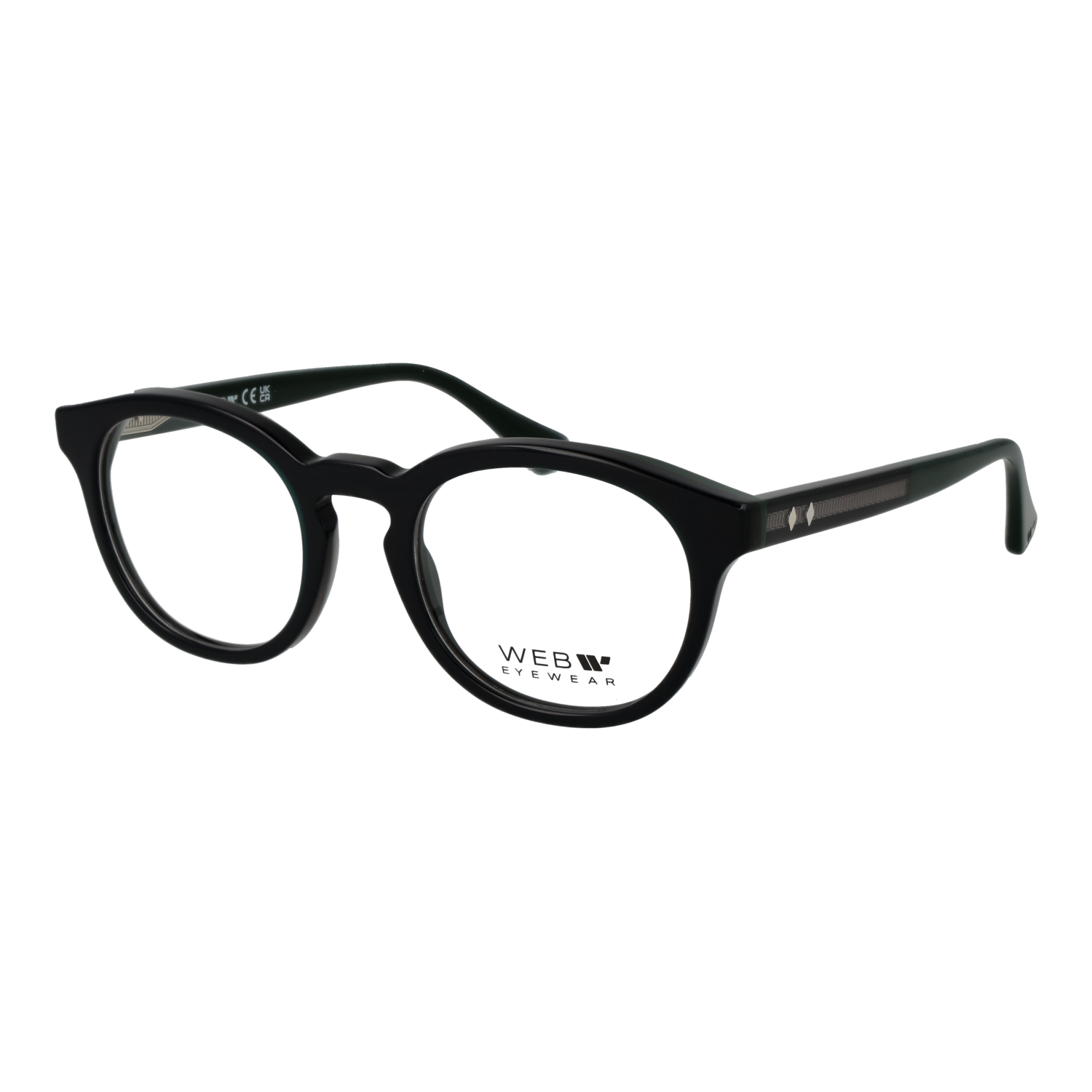
Glasses frame materials influence appearance, construction and care, but a material name is not a complete description of a pair. An acetate frame can be slim or substantial; a metal frame can be discreet or bold. Comfort depends on the complete design and its fit, including the finished lenses.
Use material as a way to narrow your shortlist rather than as a quality ranking. This guide compares the questions worth asking about acetate, metal, titanium and TR90, and explains why model-level details matter more than broad promises.
Acetate: colour and a defined outline
Acetate is commonly used in frames with a visible full-rim outline and a wide variety of finishes. It can provide depth of colour and a substantial appearance. That does not mean every acetate frame is thick, heavy or equally adjustable.
Inspect the bridge construction, rim thickness and side arms. A moulded bridge has different contact surfaces from adjustable nose pads. If you already know that a certain bridge shape works well, compare that feature before deciding mainly by colour.
Metal: inspect the actual construction
Metal frames can create a thin profile around the lenses. Separate nose pads may offer fitting options, but the presence of pads alone does not guarantee comfort. Their position, condition and adjustment matter.
The word metal does not identify a particular alloy. If material composition is important because of a previous reaction, request specific information. Do not assume that every metal frame is nickel-free or that a surface colour tells you its composition.
Titanium: verify the claim
A listing may describe titanium, a titanium component or another material with a titanium finish. Those are not necessarily the same construction. Read the exact wording and ask which parts of the frame the claim covers.
Even when the material is clearly identified, avoid assuming the finished glasses will be the lightest available. Rim dimensions, hinges, decorative components and lens weight all contribute. Compare the whole model and its intended adjustment method.
TR90 and other named plastics
TR90 is a material designation used in some plastic frames. General descriptions often emphasise flexibility, but flexibility is not a licence to bend the frame repeatedly or expose it to heat. Follow the care and adjustment instructions for the specific product.
A generic plastic listing should not automatically be relabelled TR90 or acetate. If the catalogue does not identify the material more precisely, ask the seller. Accurate information is more useful than a desirable-sounding assumption.
| Material label | What to investigate | Avoid assuming |
|---|---|---|
| Acetate | Bridge shape, thickness and finish | Every model has the same weight |
| Metal | Alloy, pads and construction | Every model is nickel-free |
| Titanium | Which components use titanium | The entire frame has one composition |
| TR90 | Care and adjustment instructions | Flexibility makes it unbreakable |
Hinges and temples deserve equal attention
A spring hinge changes how the temple opens, but it does not make an oversized or narrow frame fit everyone. Compare the opening action, temple profile and overall dimensions. If you use headphones, a bulky side arm may matter more than the material around the lenses.
Ask how the frame should be adjusted. Heating or bending a frame without knowing its construction can cause damage. Professional fitting is particularly useful when the glasses sit unevenly or pressure develops behind the ears.
Your lenses change the finished result
The frame-only weight is not the weight of the completed glasses. Prescription strength, lens dimensions, material and design all contribute. A thin metal rim around large lenses may not produce the lightest finished pair for a particular prescription.
Discuss glazing compatibility before ordering. Rimless, semi-rimless and strongly curved designs can introduce additional lens requirements. A general material comparison cannot confirm that a specific frame works with your prescription.
Compare two models with fewer changing variables
If you want to understand the effect of material, compare frames of similar width and lens depth. Otherwise, a difference you attribute to acetate versus metal may actually come from a larger front or a different bridge.
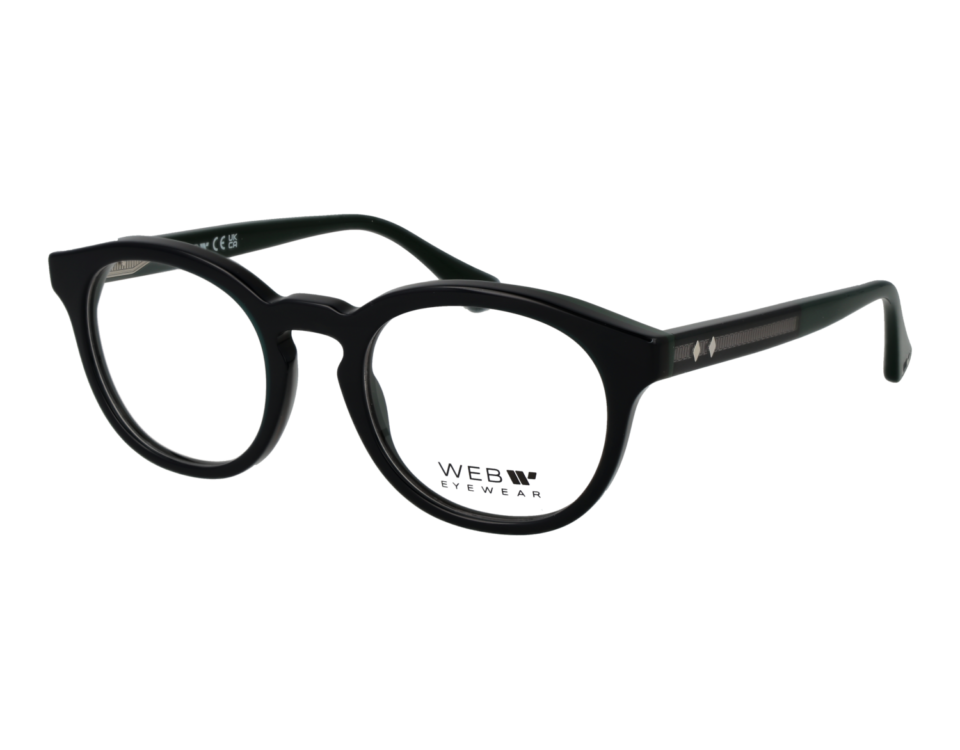
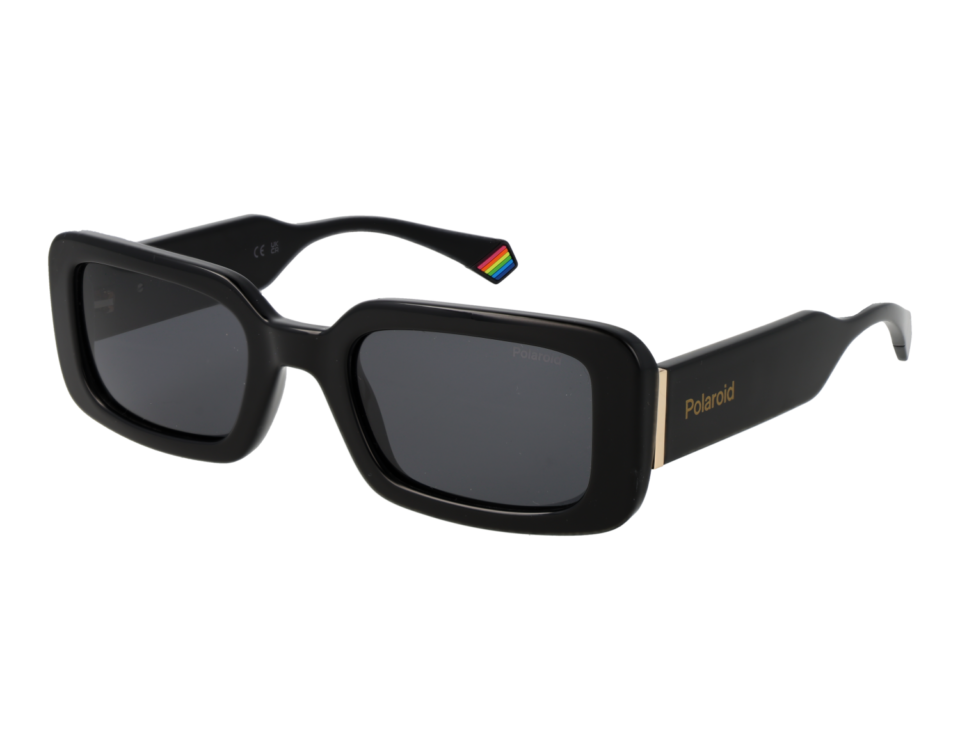
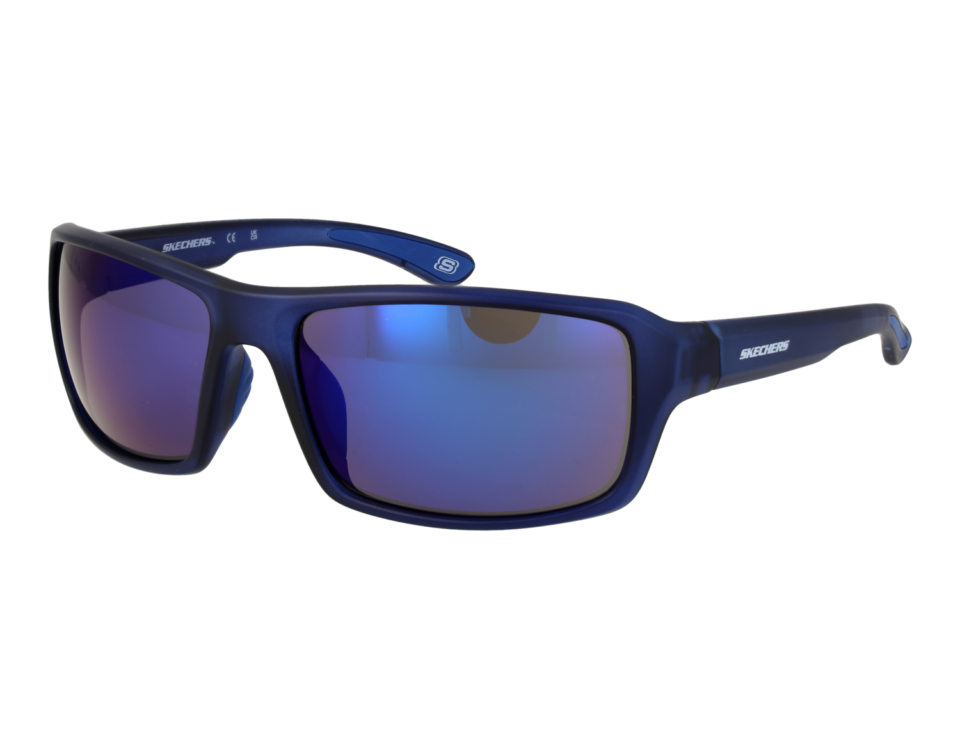
The Web and Skechers examples below are listed as acetate optical frames, with different shapes and measurements. They illustrate variation within one material rather than proving that acetate is best. Check the exact product details and arrange suitable finished lenses where demonstration lenses are supplied.
Choose for care as well as appearance
Think about how you handle glasses, where you store them and whether you can keep a case with you. No everyday material should be treated as scratch-proof or unbreakable. Avoid heat, twisting and lens-side-down storage regardless of the label.
Browse all optical frames, women’s glasses and men’s glasses. Build your shortlist using material, measurements and bridge construction together, then confirm the model that suits your needs.
Models to compare
The following products are examples from the current catalogue. Check the full specifications, dimensions and included items on each product page. Prices and availability are displayed from the shop.
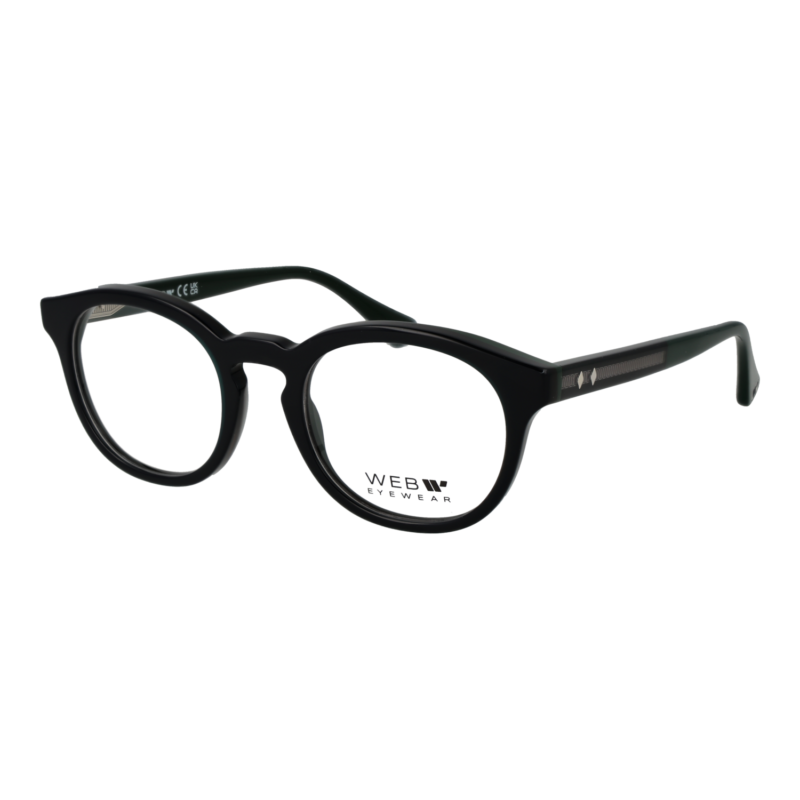
Web Round Unisex Optical Frames – Model WE5443 50098
Original price was: €200.00.€150.00Current price is: €150.00.
View model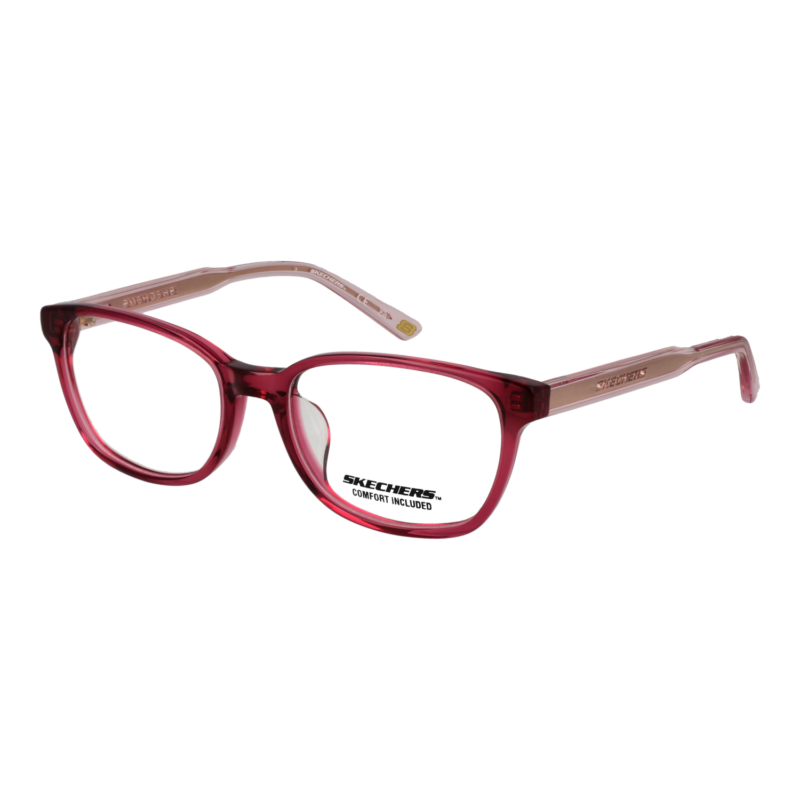
Skechers Rectangle Women Optical Frames – Model SE50079-D 53066
Original price was: €97.00.€72.75Current price is: €72.75.
View model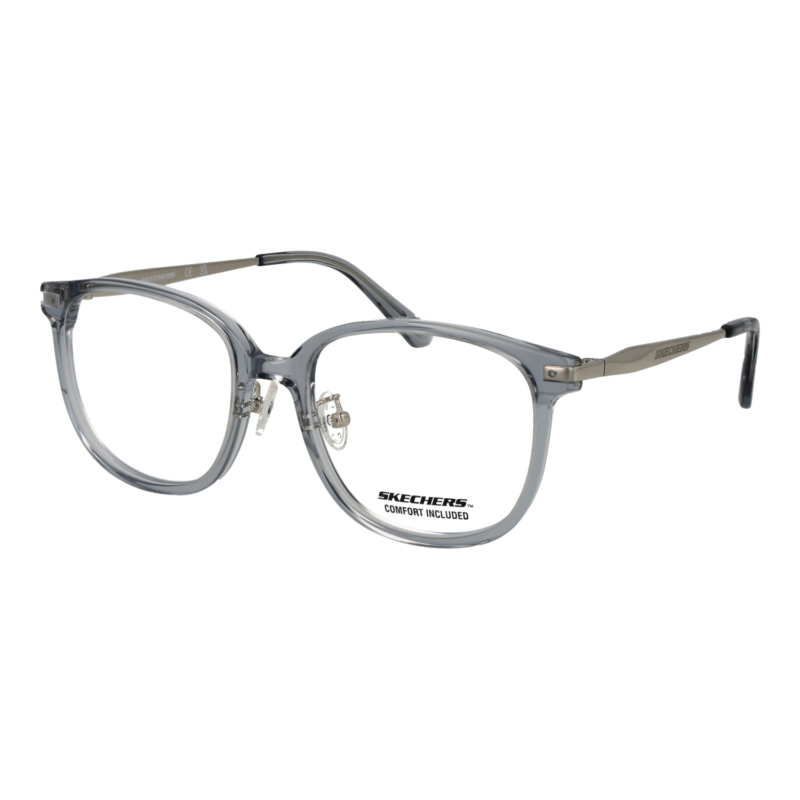
Skechers Square Women Optical Frames – Model SE50080-D 53020
Original price was: €97.00.€72.75Current price is: €72.75.
View modelFrequently asked questions
Which glasses frame material is always best?
There is no universal winner. Fit, construction, lens requirements, appearance and care all matter. Compare complete models rather than ranking every frame by its material label.
Are all metal frames nickel-free?
No. A generic metal description does not identify the alloy. If composition matters, request specific product information rather than inferring it from the finish or price.
Does TR90 mean a frame cannot break?
No. A flexible material can still be damaged by misuse, heat or repeated bending. Follow the specific model’s care and adjustment instructions.
Why can a metal frame feel heavier than acetate?
The finished weight depends on dimensions, components and lenses as well as material. Compare the complete glasses and their fit rather than judging weight from a thin outline.