




Polarised Sunglasses vs UV400: Two Different Features Explained
November 2, 2026
Knowing how to clean glasses properly can help you avoid rubbing grit across the lenses or damaging a coating with an unsuitable cleaner. The goal is simple: remove loose particles first, use a compatible cleaning method and handle the frame without twisting it.
Follow the instructions supplied with your lenses and frame, especially if they have a particular coating or material. The routine below is a practical starting point, not permission to use any household chemical on every pair.
Start by checking what is on the lenses
Dust and sand need different handling from an oily fingerprint. If you can see grit, do not immediately polish the dry lens with your shirt. Loose particles can remain trapped between the surface and the fabric.
Wash and dry your hands before handling the glasses. Check the cleaning cloth too: a cloth that has been loose in a bag may contain the same grit you are trying to remove. A clean tool is part of the process, not an optional extra.
A gentle cleaning routine
- Check the manufacturer’s care instructions and choose a compatible cleaner.
- Where permitted, rinse loose dirt away with lukewarm water.
- Use a lens-cleaning product suitable for the lens coating, following its directions.
- Clean both sides gently, supporting the frame near the lens you are handling.
- Dry or finish with a clean microfibre cloth appropriate for optical lenses.
- Inspect in good light rather than pressing harder at a remaining mark.
A small mark that remains after gentle cleaning may be a scratch or coating damage. Repeated polishing will not repair it. If you are unsure, ask an optician to inspect the surface before trying a stronger product.
Clean the frame as well as the lenses
Oil and residue collect around the bridge, nose pads, hinges and temple ends. Clean these areas carefully using a method compatible with the material. Avoid forcing liquid into joints or scrubbing decorative finishes with an abrasive tool.
If residue is trapped beneath a pad or in a hinge, professional cleaning may be more appropriate than dismantling the frame at home. Small screws and pads are easy to lose, and an incorrect reassembly can affect fit.
What to avoid
Do not assume window cleaner, household disinfectant or a general-purpose wipe is suitable for coated lenses. Their ingredients and intended surfaces differ. Use a product explicitly intended for the relevant lens and follow the instructions.
Very hot water, abrasive powders and forceful dry rubbing are poor starting points. Tissues and clothing can contain rough fibres or trapped particles. Even a soft-looking fabric is not necessarily clean or appropriate for an optical surface.
| Situation | Better next step |
|---|---|
| Visible dust or grit | Remove particles before polishing |
| Greasy fingerprints | Use a compatible lens cleaner |
| Dirty cloth | Replace or wash it according to instructions |
| Persistent line or haze | Have possible damage assessed |
| Loose or uneven frame | Arrange adjustment rather than twisting it |
Look after the microfibre cloth
Store the cloth where it stays clean. If it leaves smears, it may be carrying oil rather than removing it. Wash it according to its care instructions and avoid products that leave a residue on the fibres.
Keep a separate cloth for glasses rather than using one that also cleans a laptop, workbench or car interior. The fact that a cloth is microfibre does not tell you what it has picked up since it was last washed.
Cleaning while travelling
Carry a protective case and a suitable cleaning kit. Individually packaged optical wipes can be convenient where approved for your lenses, but they should still be used as directed. Check for trapped particles before wiping.
Do not leave glasses loose in a pocket with keys or coins. Avoid placing them lens-side down, and do not store them on a hot dashboard. Preventing damage is more reliable than trying to polish away scratches afterwards.
When cleaning is not the solution
Scratched lenses, peeling coatings and a frame that no longer sits evenly need assessment. A replacement cloth or stronger cleaner cannot restore an altered optical surface. Ask whether the lenses, pads or frame require service.
If your view remains blurred after cleaning, do not assume dirt is the only cause. Check the condition and prescription of the glasses with an appropriate professional. Sudden or significant changes in vision need prompt attention.
Protect the next pair from the start
When choosing optical frames or sunglasses, check the included case and care information. Ask about the finished lenses if you are arranging separate prescription glazing. Different coatings and materials may have specific cleaning requirements.
The frame examples below link to current offers. They are included to help compare construction and accessories, not because any frame material makes the glasses scratch-proof.
Models to compare
The following products are examples from the current catalogue. Check the full specifications, dimensions and included items on each product page. Prices and availability are displayed from the shop.
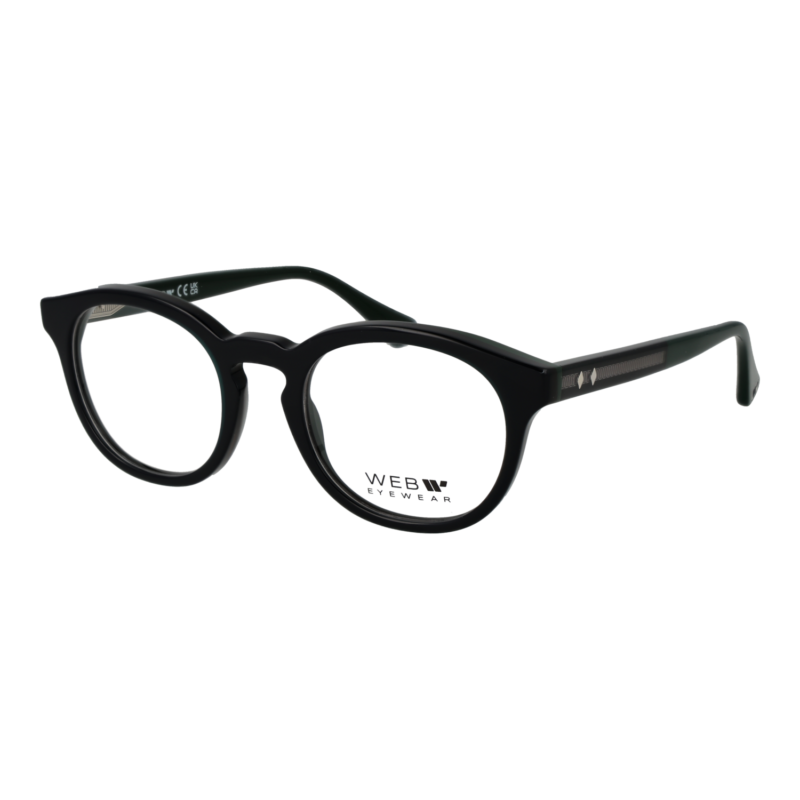
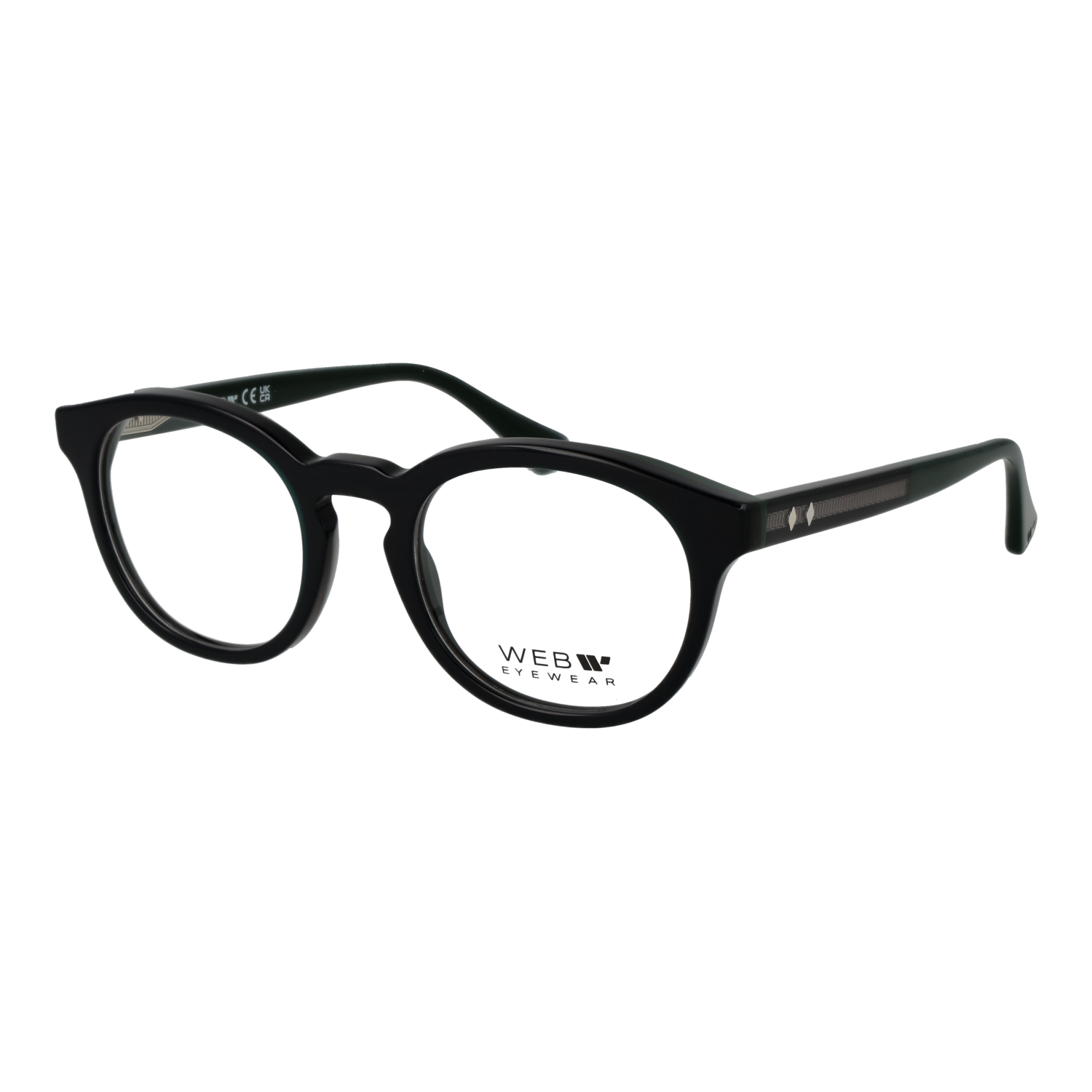
Web Round Unisex Optical Frames – Model WE5443 50098
Original price was: €200.00.€150.00Current price is: €150.00.
View model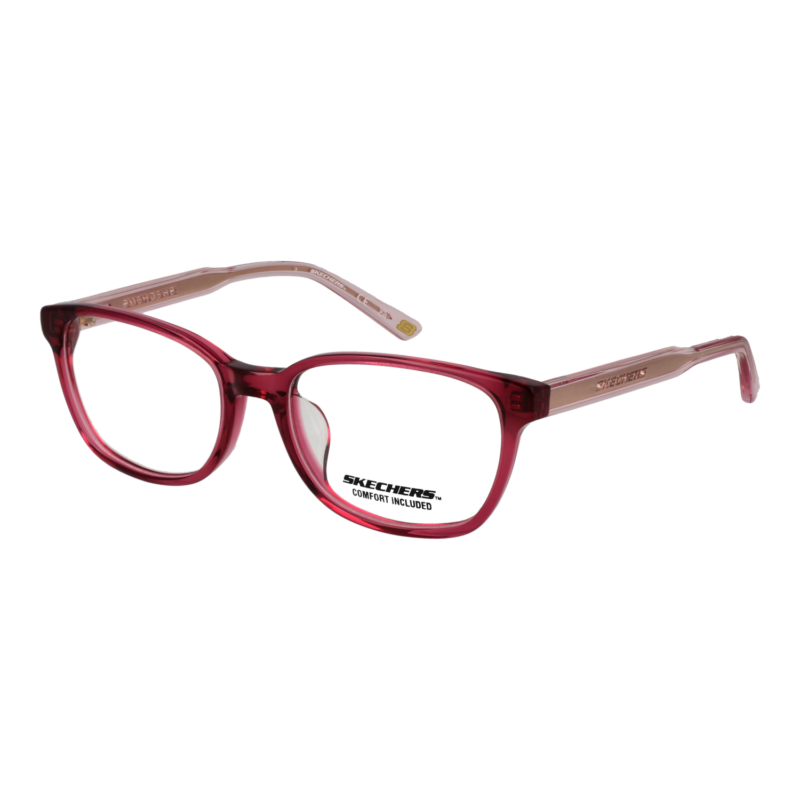
Skechers Rectangle Women Optical Frames – Model SE50079-D 53066
Original price was: €97.00.€72.75Current price is: €72.75.
View model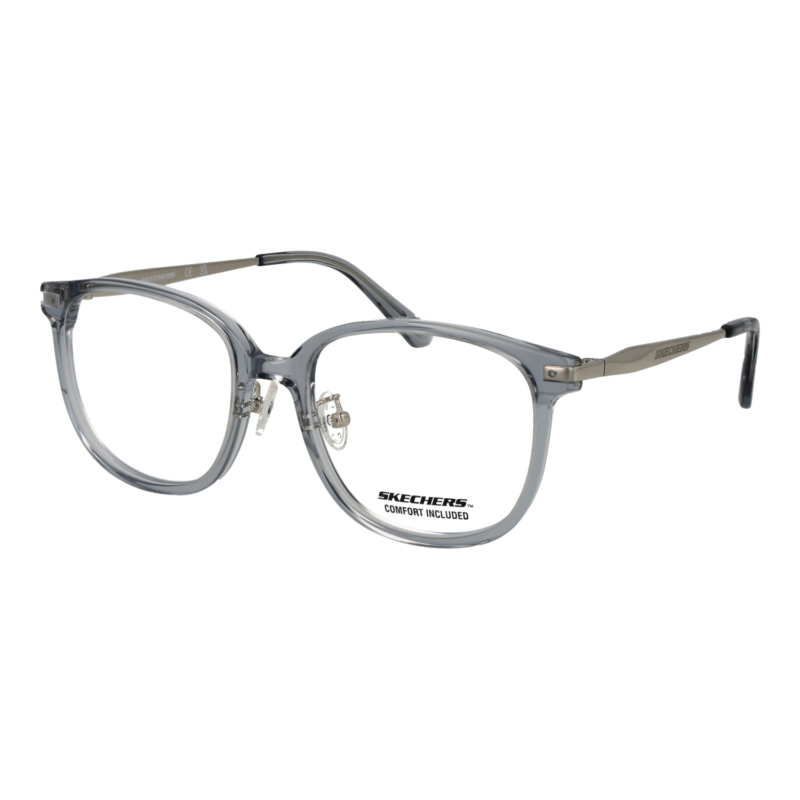
Skechers Square Women Optical Frames – Model SE50080-D 53020
Original price was: €97.00.€72.75Current price is: €72.75.
View modelFrequently asked questions
Can I clean glasses with my T-shirt?
It is better to use a clean cloth intended for optical lenses. Clothing can contain dust or grit, and dry rubbing may drag particles across the surface. Remove loose dirt first.
Can scratches be polished out at home?
Do not assume so. Abrasive attempts can damage coatings or alter the lens surface. Have the lenses inspected and ask whether replacement is needed.
Are all cleaning wipes safe for glasses?
No. Choose wipes intended for optical lenses and compatible with your coating. Household or disinfecting wipes may be designed for different surfaces. Follow the product directions.
Why does my microfibre cloth leave smears?
It may contain oil or cleaning residue. Wash or replace it according to its instructions, store it cleanly and avoid sharing it with other dirty surfaces.