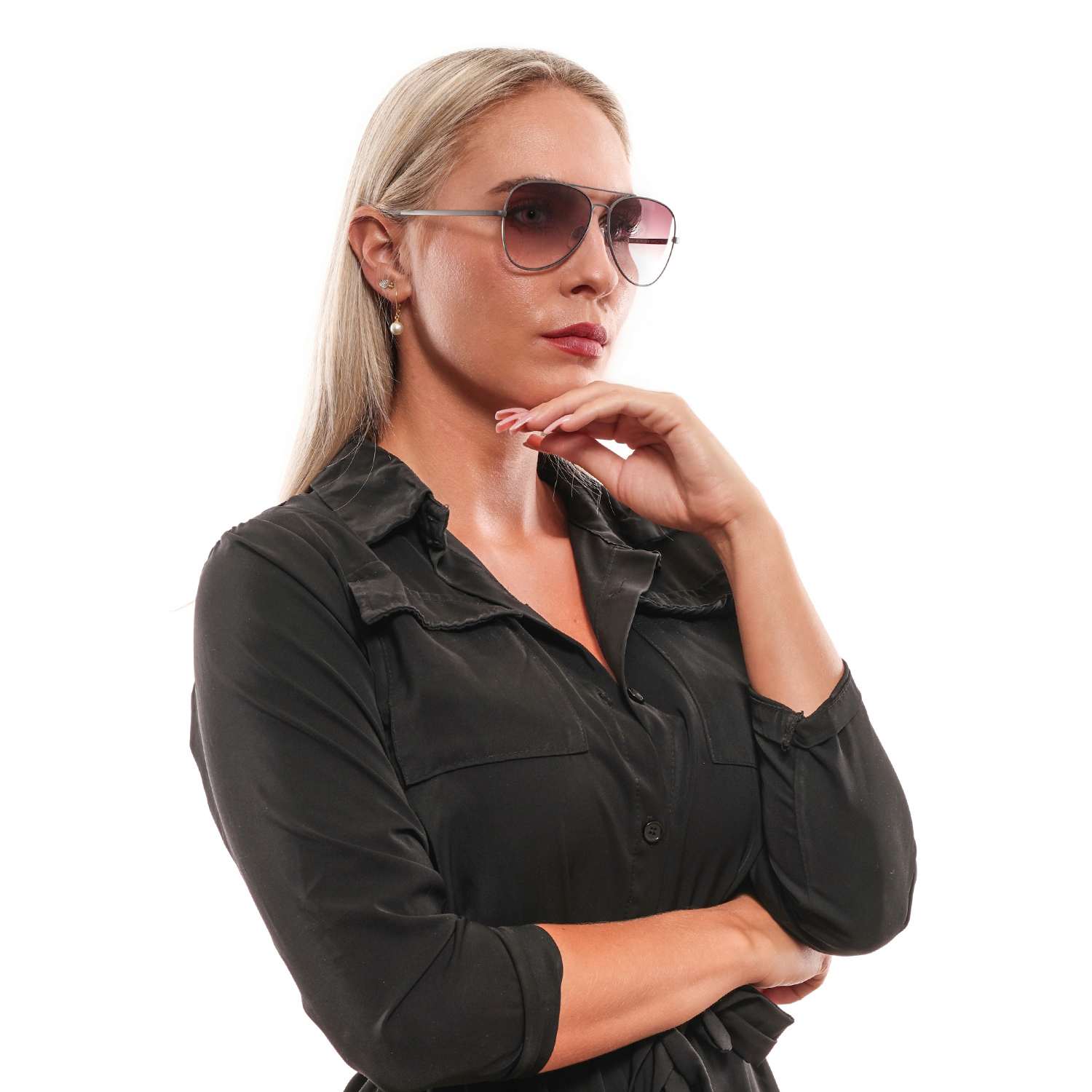


Women’s Sunglasses: How to Choose Fit, Coverage and Lens Features
October 31, 2026
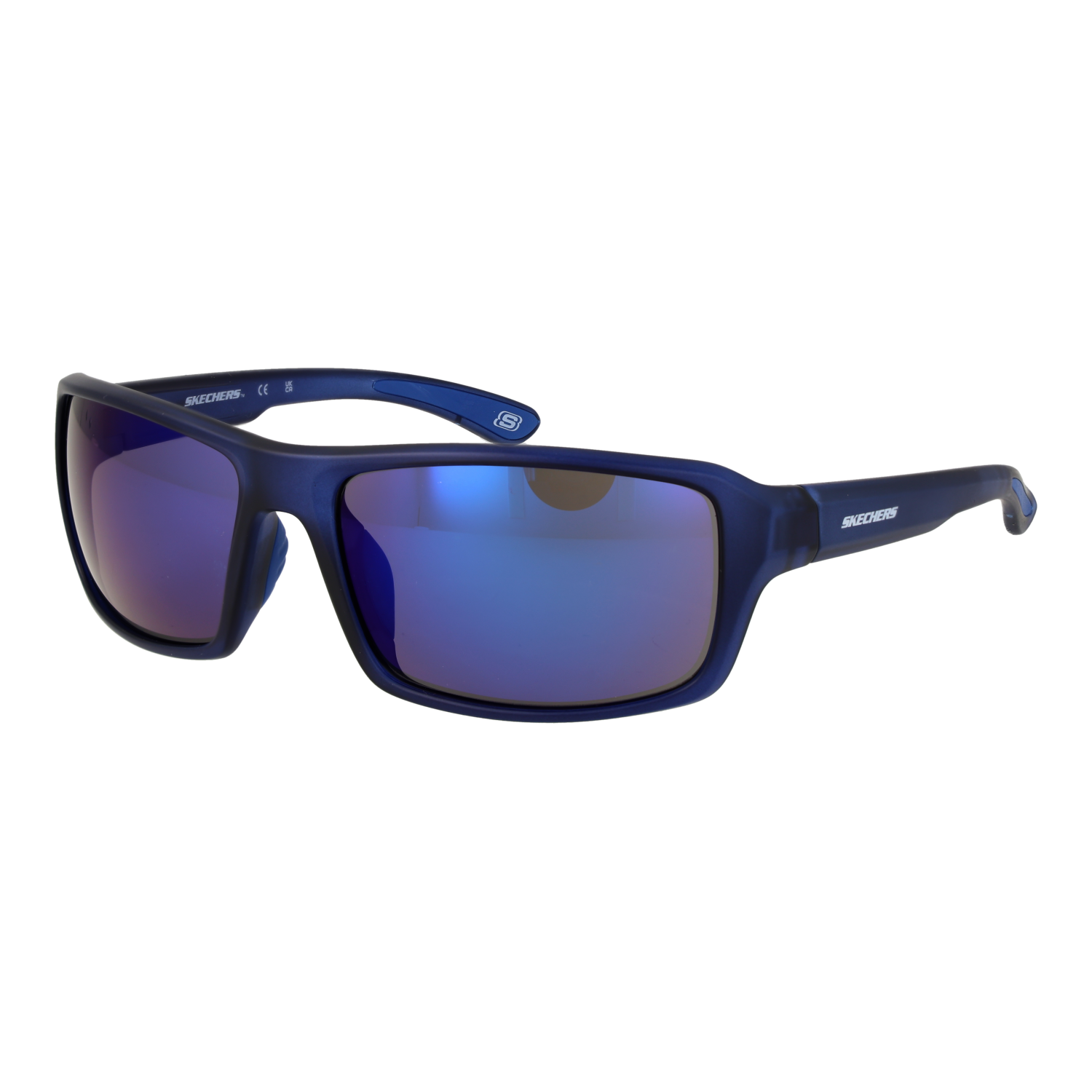
Men’s sunglasses for driving should reduce uncomfortable brightness without making important information harder to see. A good-looking frame is not enough: you need an appropriate tint, a clear view of the dashboard and a fit that stays stable when you turn your head.
This guide is for choosing ordinary daytime sunglasses. It does not establish that a specific model is suitable for your driving conditions. Always follow the product’s intended-use information, your prescription requirements and applicable road rules.
Choose for the actual light conditions
A very dark lens is not automatically a better driving lens. Bright open roads, shaded streets and tunnels create different demands. Check the stated filter category and any warning about use for driving. Category 4 sunglasses are not suitable for driving.
Do not continue wearing a tint when it makes the road too dark. A pair that feels comfortable in strong sunlight may be inappropriate after the light changes. Keep your normal prescription glasses accessible if you require correction, and change glasses only when it is safe to do so.
Understand what polarisation changes
Polarised lenses can reduce certain reflected glare. That can be useful around reflective road surfaces, but it does not make every polarised pair appropriate for every driver. Tint, fit and visibility of instruments still need checking.
Look at the dashboard, navigation screen and any head-up display while the car is safely parked. Change your viewing angle naturally. If information becomes difficult to read, consider another lens option rather than assuming you will adapt during the journey.
Check the exact version, not only the model family
Carrera 302/S appears in different versions in the catalogue. The 59003M9 entry is listed as polarised, whereas 59M4P9O is listed with gradient lenses. Similar styling does not mean identical lens treatment. Preserve the complete code when comparing the two.
Polaroid PLD 6232/S 552M4Z7 is listed with category 2 lenses and a polarised gradient effect. These details are useful for comparison, but they do not replace the intended-use instructions for the supplied product. Read the current listing and ask about missing information.
Frame shape affects your view
Thick side arms can occupy part of the side view. Very large lenses may contact the cheeks, while a narrow frame may press at the temples. Inspect side photographs and check the frame in your normal seating position.
The bridge needs to remain stable when you look towards mirrors. A slipping frame can lead to repeated adjustment at an inconvenient moment. Avoid buying a loose oversized pair on the assumption that a strap or a later bend will solve the fit.
Prescription and sunglasses are separate questions
If you need prescription correction, ordinary non-prescription sunglasses are not a substitute. Discuss prescription sunglasses, a suitable clip-on system or another appropriate solution with your eye-care professional. Do not wear glasses over one another unless the arrangement is designed for that purpose.
Photochromic performance can vary with the lens design and conditions inside a vehicle. Ask about the exact product rather than assuming all light-reactive lenses darken sufficiently behind a windscreen. This is a specification question, not something the frame’s brand can answer.
| Check | Practical test or question |
|---|---|
| Filter category | Is driving use permitted by the product information? |
| Dashboard visibility | Can you read every important display while parked? |
| Fit | Does the frame stay level when you turn your head? |
| Side view | Do the temples feel intrusive in your seating position? |
| Prescription | Does the pair provide the correction you require? |
Keep the lenses and windscreen clean
Smears can make bright light more distracting. Clean the lenses with a method suitable for their coating and keep the windscreen clean inside and outside. Do not use a scratched pair merely because you like the tint; have damaged lenses assessed.
Store sunglasses in a protective case rather than leaving them on a hot dashboard. Heat, pressure and one-handed removal can affect the frame over time. Recheck fit if the glasses have been dropped or become visibly uneven.
Build a practical shortlist
Start in men’s sunglasses, then compare unisex designs if their dimensions suit you. Note the complete model code, filter category, lens effect and frame measurements. Choose the pair whose documented specification and actual fit match your use.
The products below are examples to investigate. They are not an endorsement for night driving or a substitute for checking your own vehicle displays and the manufacturer’s instructions.
Models to compare
The following products are examples from the current catalogue. Check the full specifications, dimensions and included items on each product page. Prices and availability are displayed from the shop.
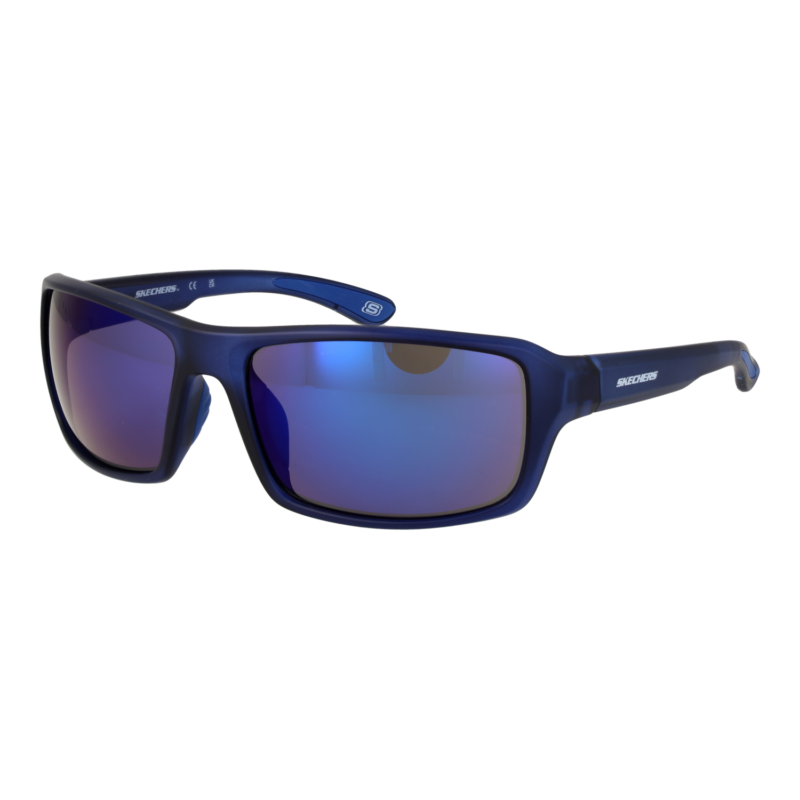
Skechers Sport Unisex Sunglasses – Model SE6289 6190X
Original price was: €62.00.€49.60Current price is: €49.60.
View modelFrequently asked questions
Can category 4 sunglasses be used for driving?
No. Category 4 is not suitable for driving. Follow the supplied product warnings and choose a lens appropriate to the light conditions and permitted use.
Are polarised sunglasses always the best driving option?
Not always. Check instrument and screen visibility, tint and fit. Some displays can be difficult to read through polarised lenses, so test them safely while the vehicle is parked.
Can daytime sunglasses be worn at night?
Do not assume they are suitable. A tint reduces available light, and a daytime pair should not be treated as a night-driving aid. Seek professional advice if night vision is difficult.
Does the same model name mean the same lenses?
No. Colour and version codes can distinguish different lens treatments. Compare the exact reference and individual specifications rather than generalising across a model family.