



Polarised Sunglasses for Fishing: UV Protection and Lens Colour
October 25, 2026
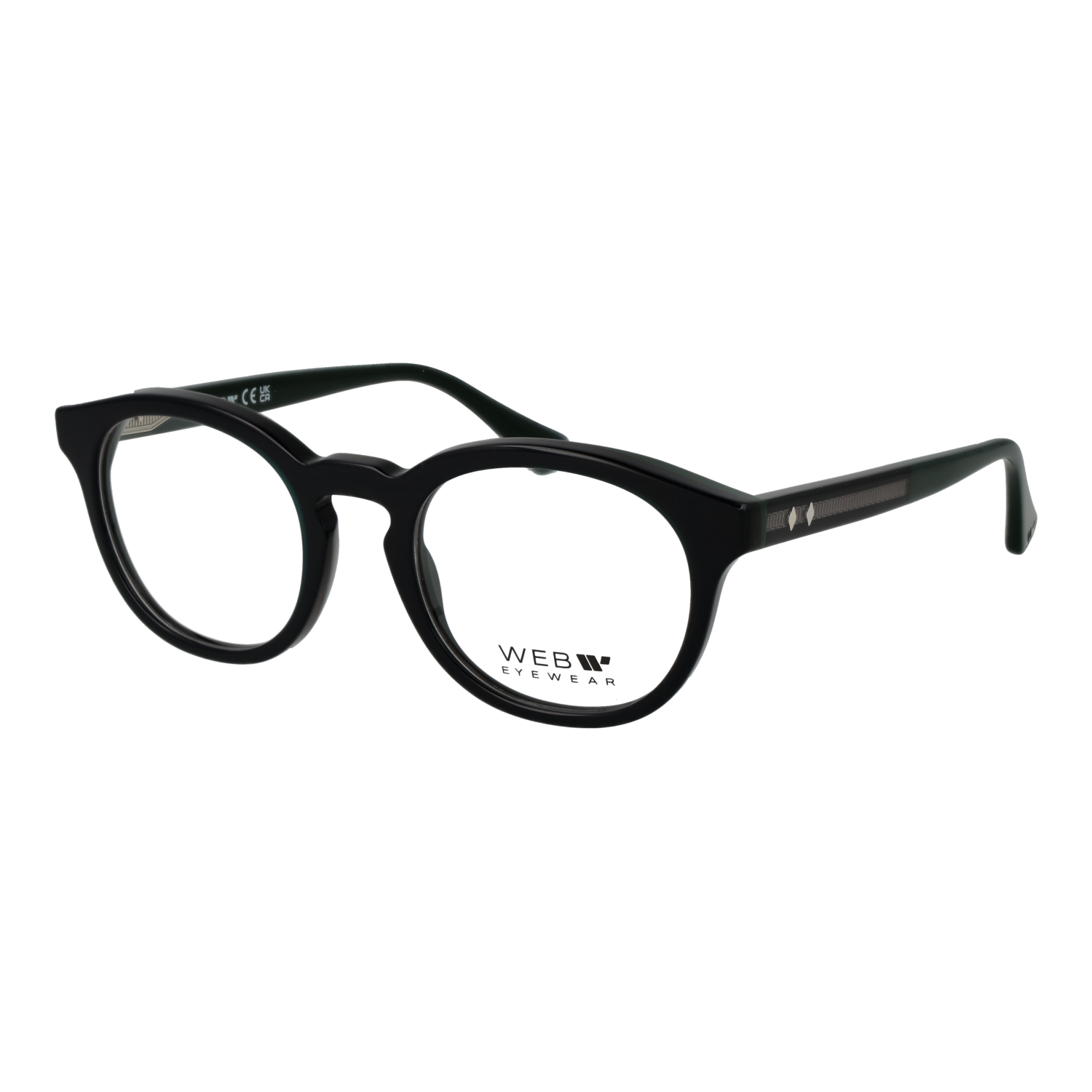
Eyeglass frame sizes are a useful starting point when buying glasses online, but three numbers cannot tell you everything about comfort. A frame marked 53–17–140 has a lens width of 53 mm, a bridge measurement of 17 mm and temples measuring 140 mm. It does not necessarily have the same overall width or nose fit as another frame with those numbers.
The most reliable comparison starts with glasses you already wear comfortably. Write down their markings, measure the front and note what you would change. This guide explains how to turn those observations into a practical shortlist rather than choosing by appearance alone.
What do the numbers inside glasses mean?
The first measurement describes the horizontal width of one lens opening. The second describes the bridge between the lens openings. The third is the temple length, including the section that bends behind the ear. These are frame measurements, not a prescription or a measurement of your pupils.
| Measurement | Example | What it helps you compare |
|---|---|---|
| Lens width | 53 mm | The horizontal size of each lens opening |
| Bridge | 17 mm | The distance between the lenses |
| Temple | 140 mm | The length of the side arms |
| Total frame width | 135 mm | The complete front, including the outer edges |
Why total frame width matters
Adding twice the lens width to the bridge does not give the exact overall width. The rims, hinges and outer sections also occupy space. A thick acetate frame and a thin metal frame can therefore have similar lens measurements but different fronts.
For example, the Skechers SE50079-D 53066 in our catalogue lists 53 mm lenses, a 17 mm bridge and a total width of 135 mm. The SE50080-D 53020 also lists 53 mm lenses, but its bridge is 18 mm and its total width is 140 mm. Comparing only the first number would miss that difference.
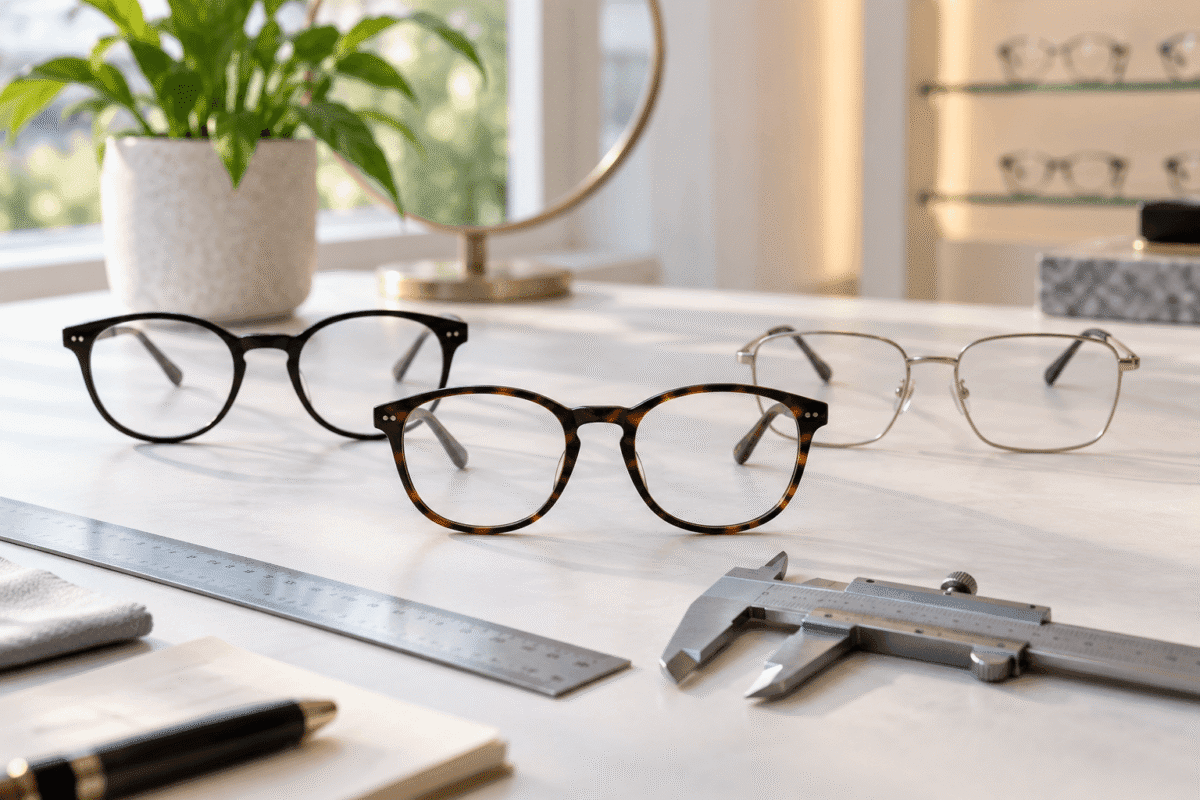
How to measure a comfortable pair
- Place the glasses on a level surface without forcing the temples apart.
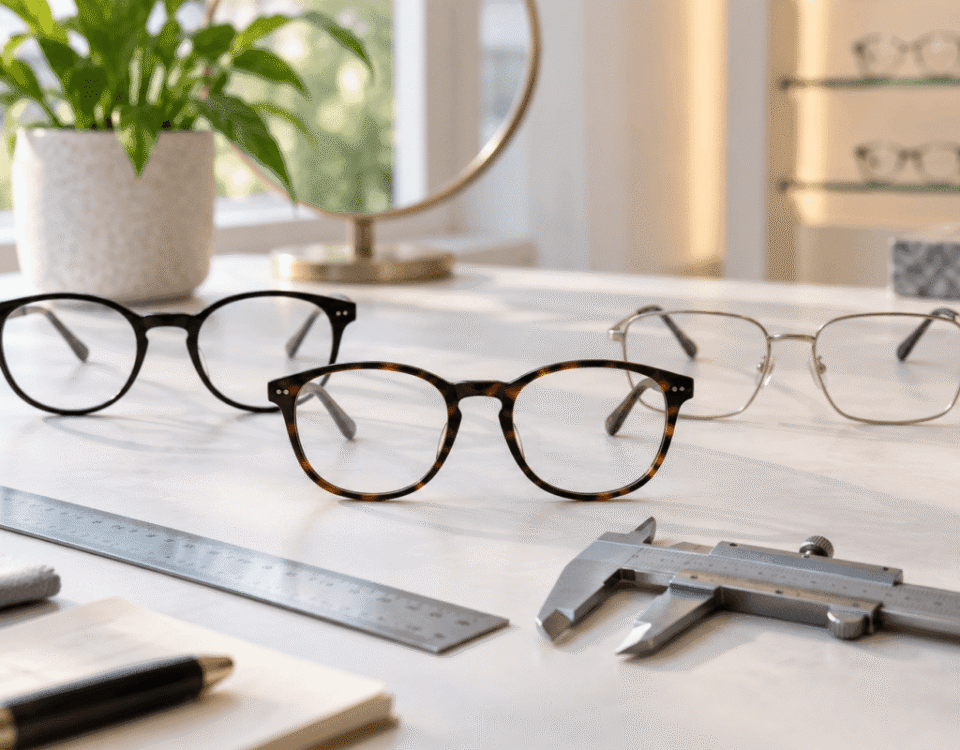
- Use a millimetre ruler to measure the front from outer edge to outer edge.
- Read the printed lens, bridge and temple measurements if they remain legible.
- Photograph the glasses from the front and side while wearing them.
- Note any slipping, pressure at the temples or contact with your cheeks.
A ruler gives a useful approximation. It does not replace professional fitting or the manufacturer’s stated dimensions. If your current frame is distorted, its measured width may no longer describe how it fitted when new.
Bridge shape can change the result
A moulded acetate bridge rests differently from adjustable nose pads. The same numerical bridge width can feel higher, lower, tighter or looser depending on the contact surfaces. Look at side photographs and the shape around the nose, not just the number printed on the arm.
If your glasses slide down, moving to a narrower bridge is not automatically the answer. Temple adjustment, frame weight and the position of the nose pads may also contribute. An optician can distinguish a fitting problem from the wrong frame size.
Lens height and prescription requirements
Lens height affects both the appearance and the available space for the finished lenses. If you need progressive lenses, ask the dispensing professional to assess the chosen frame and the intended lens design. The listed lens height is not the same as the fitting height measured while the frame is on your face.
Do not select a frame merely because another person with a similar prescription wears it. Prescription strength, pupil position, lens design and frame shape all affect the finished result. Confirm the glazing requirements before ordering a frame-only product.
A useful shortlist rather than a universal size chart
Choose two or three frames close to the dimensions of your comfortable pair, then compare bridge construction and temple length. Check whether you want more lens depth, a lighter visual outline or a different colour. Gender labels and descriptions such as small or medium are less precise than the actual measurements.
Browse our optical frames, women’s glasses and men’s glasses with these comparisons in mind. The examples below illustrate different proportions; they are not a personal fit recommendation.
Models to compare
The following products are examples from the current catalogue. Check the full specifications, dimensions and included items on each product page. Prices and availability are displayed from the shop.
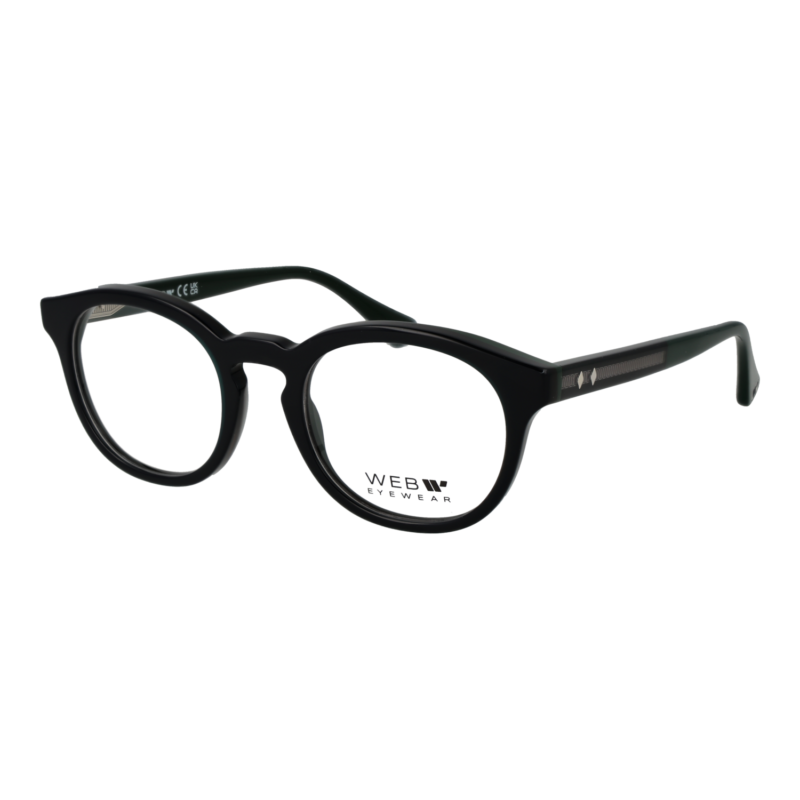
Web Round Unisex Optical Frames – Model WE5443 50098
Original price was: €200.00.€150.00Current price is: €150.00.
View model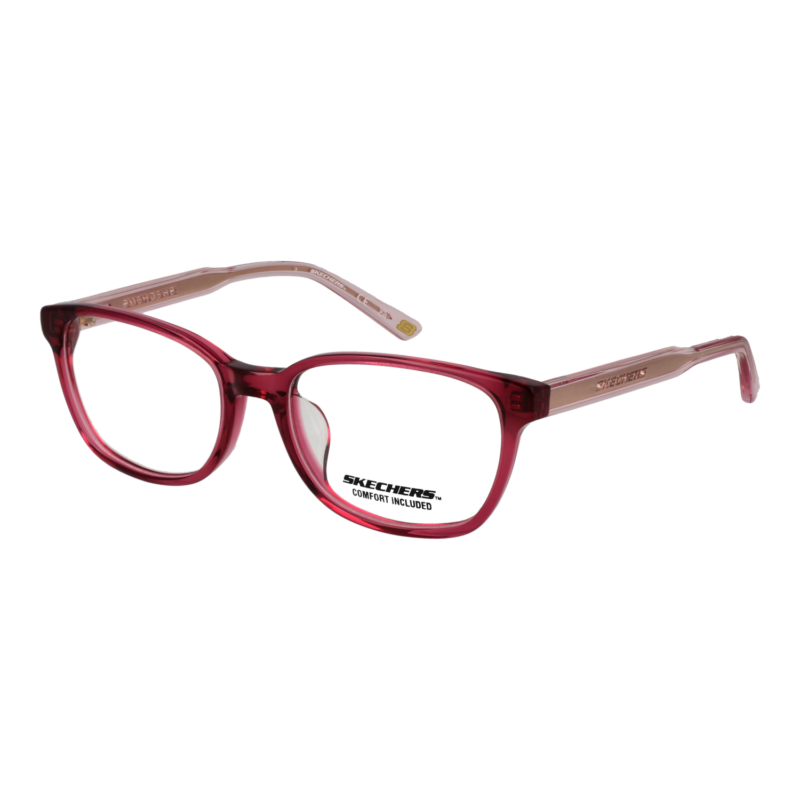
Skechers Rectangle Women Optical Frames – Model SE50079-D 53066
Original price was: €97.00.€72.75Current price is: €72.75.
View model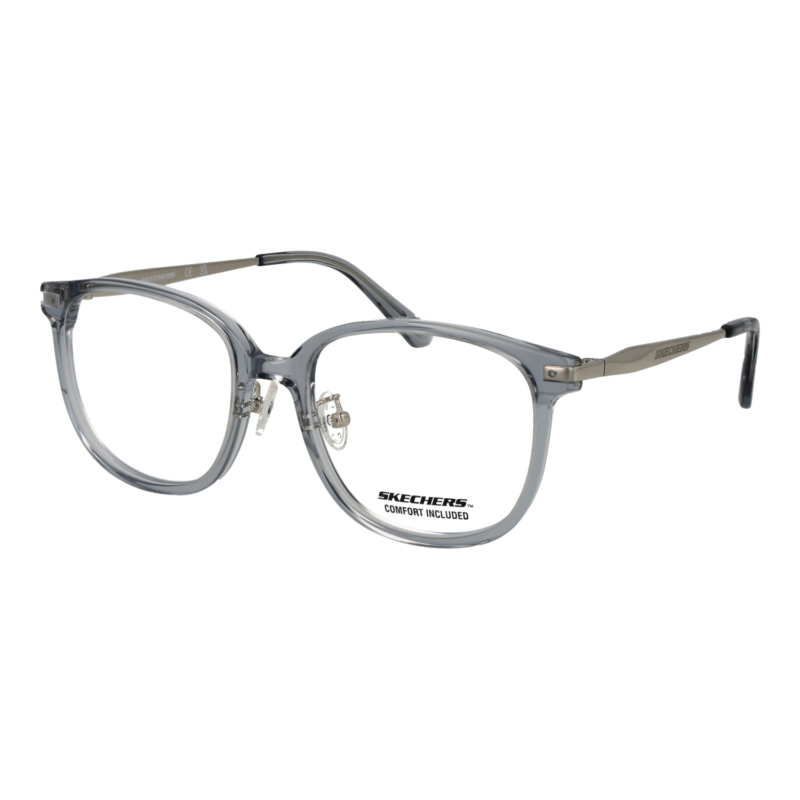
Skechers Square Women Optical Frames – Model SE50080-D 53020
Original price was: €97.00.€72.75Current price is: €72.75.
View modelFrequently asked questions
Are glasses sizes the same across brands?
The measurements use millimetres, but construction differs. Two frames with identical lens and bridge numbers can have different overall widths, nose contact and temple shapes. Compare several dimensions and photographs.
Is frame size the same as pupillary distance?
No. Frame size describes the frame. Pupillary distance describes the position of your pupils and is used when centring prescription lenses. Do not substitute one measurement for the other.
Can I measure glasses with a ruler?
Yes, a millimetre ruler helps compare an existing frame. Measure gently and treat the result as approximate. Professional fitting is still needed where prescription lenses require individual measurements.
Should my new glasses match my old size exactly?
Not necessarily. Start close to a pair that fits well, then consider what you want to improve. A different bridge or rim thickness may require slightly different dimensions.