



Glasses for Wide or Narrow Faces: Size and Proper Fit
October 24, 2026
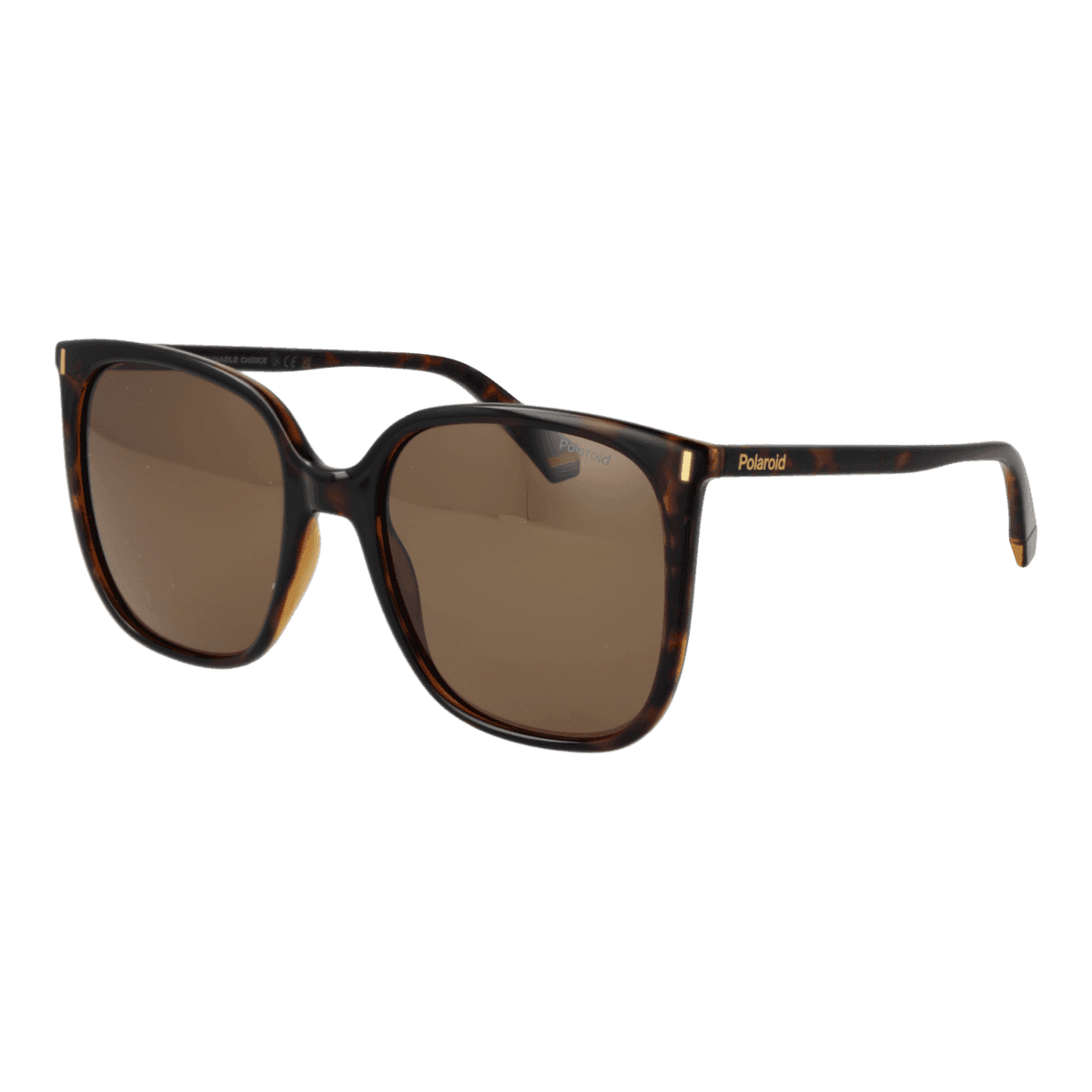
For fishing, polarisation is useful because it reduces strong reflections from the water surface. This can improve visual comfort and make the water easier to observe, but it does not replace UV protection or an appropriate lens filter category.
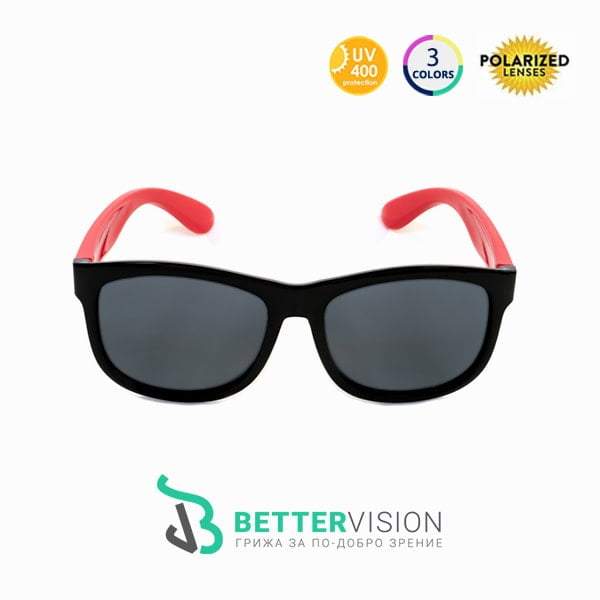
- Look for polarisation to control water reflections.
- Check UV protection separately.
- Choose filter category for the light and conditions.
- Lens colour affects appearance and perceived contrast; there is no universally best colour.
- Comfortable stable fit matters during long periods outdoors.
Why is polarisation useful for fishing?
Reflections from the water can be intense. A polarising filter limits part of the oriented reflected light and reduces glare. This is a different property from ordinary tinting.
Does polarisation mean UV400?
No. Polarisation addresses reflected light; UV400 describes UV filtration up to 400 nm. Check both characteristics separately when buying.
Which filter category is suitable?
The category indicates how much visible light a lens transmits. Darker daytime categories are often used in bright summer sunshine, but the right choice depends on conditions.
| Conditions | What to look for |
|---|---|
| Strong sunshine and open water | Polarisation, reliable UV protection and suitable daytime tint |
| Changing cloud cover | A lighter lens may be more comfortable |
| Fishing from a boat | Stable frame and useful side coverage |
| Long periods outdoors | Lightweight frame, comfortable bridge and good UV protection |
Grey, brown or another lens colour?
Grey lenses usually give a more neutral colour impression. Brown and bronze are often chosen for a warmer impression and different perceived contrast. In lower light, some people prefer lighter lenses. No colour is optimal for every body of water, hour and weather condition.
Compare models
Browse sunglasses and confirm polarisation on the specific product page before choosing. Check current lens colour, category, UV specification, size and availability. A brand name or dark tint alone does not establish polarisation.
Choosing the frame
The frame should stay stable without pressure. Coverage around the eyes can reduce side light. When wearing glasses for hours, weight and comfort are at least as important as appearance.
Checklist before buying
- Confirm that the lenses are polarised.
- Check the UV specification.
- Check filter category.
- Choose colour for your usual fishing conditions.
- Compare dimensions with comfortable glasses you already own.
- Check comfort for extended wear.
Frequently asked questions
Will polarised glasses always let me see fish?
No. They can reduce surface reflections, but visibility also depends on water clarity, depth, light angle, waves and other conditions.
Are polarised glasses necessarily UV400?
Do not assume so. Check UV protection separately in the particular model’s specifications.
Which colour is best for fishing?
There is no universal winner. Grey is a neutral option; brown and bronze provide a different perceived contrast. Light and preference determine the choice.
Can I also use them for driving?
Only if the lens and filter category are suitable for road use. Do not assume every polarised model is suitable.